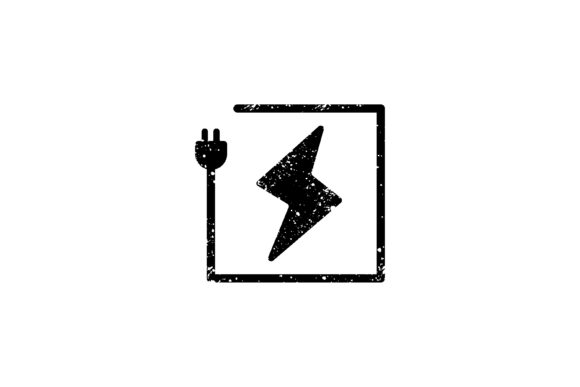
Flash Electrical Retro Logo Template: A Designer's Real-World Review
When I first opened the folder for the Flash Electrical Retro Logo Template, I wasn't just looking at a static image; I was already imagining it stitched onto fabric. As someone who has spent years turning digital graphics into tactile, stitched reality, my initial reaction is always about potential and pitfalls. This design immediately strikes me as having a strong personality. It carries that nostalgic, mid-century electric vibe that feels both energetic and trustworthy. The concept of a retro electrical logo isn't just a trend; it taps into a sense of durability and classic craftsmanship that resonates deeply with customers.
The visual layout suggests a design that works well in an embroidery machine, but like any good designer, I know that what looks good on a screen can sometimes struggle under the needle. My review focuses on how this specific piece performs when we move from the computer to the hoop, considering real-world scenarios like custom apparel, boutique branding, and handmade gifts.
First Impressions: Mood and Visual Personality
The moment you see the Flash Electrical Retro Logo Template, the mood is set. It screams vintage workshop, old-school repair shops, and reliable power. The bold lines and dynamic shapes suggest movement, which is perfect for a design meant to catch the eye. For an embroidery project, this translates to high contrast and clear definition. The retro aesthetic allows for some creative freedom with thread colors, letting us play with metallics or deep, rich tones that mimic aged metal or polished copper.
What stands out most is the balance between detail and simplicity. In the world of machine embroidery, less often means more, especially when dealing with small details. This template seems to avoid the trap of over-complicating the shape, which is crucial for maintaining clarity after stitching. It feels like a design that belongs on a heavy-duty item rather than something delicate. It has the weight to stand up to the texture of denim, canvas, or thick cotton without getting lost in the weave.
Real-Life Application: From Screen to Stitch
To truly understand the value of this design, let's look at a practical scenario. Imagine you are preparing inventory for a local craft fair or fulfilling orders for an Etsy shop. You decide to create a line of branded tote bags for a local hardware store or a custom sweatshirt for a client who loves vintage aesthetics. The Flash Electrical Retro Logo Template fits this brief perfectly.
On a sturdy canvas tote bag, the bold lines of the logo would pop against the natural fabric color. The retro style pairs beautifully with the ruggedness of canvas, creating a product that feels artisanal and durable. Similarly, if you were embroidering this onto a dark-colored sweatshirt, the design would offer a striking contrast. The "retro" element adds a layer of storytelling to the garment, making it more than just a logo; it becomes a statement piece that customers will want to wear and show off.
I also envision this design being used for personalized gifts. Think of a baby onesie or a nursery pillow cover where parents want something unique yet timeless. While the theme is industrial, the clean lines allow it to be adapted for softer contexts if the right thread colors are chosen. However, for maximum impact, I believe it shines brightest on items intended for daily use—aprons for home cooks, kitchen towels, or patches for workwear jackets. These are the products where the design's message of reliability and strength is most appreciated.
Where to Exercise Caution
Even a great design has its limitations, and knowing where to draw the line is part of professional judgment. The Flash Electrical Retro Logo Template might not be the best choice for very small hoop sizes. If the design contains intricate corners or fine text, shrinking it down too much could result in thread breaks or a muddy appearance where stitches overlap. When working with textured fabrics, such as heavy fleece or bouclé, the stability of the design becomes critical. You must ensure your stabilizer is robust enough to support the density of the fill stitches.
Stretchy fabrics like jersey or thin synthetics require careful handling. Without proper hooping techniques and tear-away or cut-away stabilizers, the tension of the embroidery could cause the fabric to pucker, ruining the crisp lines of the retro logo. Additionally, while the design is versatile, it may not suit every background. On very light, sheer fabrics, the density of the threads might show through in a way that looks unprofessional. Always test on scrap fabric first to gauge how the thread interacts with your specific material.
Impact on Product Value and Brand Consistency
In the competitive world of handmade goods and commercial embroidery, presentation is everything. Using a cohesive, high-quality design like the Flash Electrical Retro Logo Template elevates the perceived value of your finished product. Customers can tell the difference between a generic clip-art logo and a thoughtfully designed asset. When a buyer sees a clean, well-executed retro logo on a tote bag or apron, they associate that quality with the brand behind it.
This design fosters trust because it implies attention to detail. Whether you are selling a single custom gift or a full line of merchandise, consistency is key. The retro theme provides a distinct visual identity that helps your products stand out in a crowded marketplace. It signals to the customer that you care about the aesthetic of your business, not just the function of the item. For an Etsy seller or small shop owner, this level of professionalism can be the deciding factor in converting a browser into a buyer.
Practical Notes for the Embroidery Designer
Before committing to a production run, there are several technical steps you should take. First, verify the file formats provided. The product description mentions SVG and EPS files, which are excellent for vector editing, but you need to ensure these convert correctly into your specific embroidery software. Check the stitch density carefully; if the design is too dense, it might become stiff and uncomfortable on clothing. Conversely, if it is too sparse, it may lack the visual weight needed for the retro look.
Thread color selection is another critical factor. To capture the "electrical" feel, consider using metallic threads for highlights or contrasting colors for the lightning elements. However, always check the contrast ratio against your fabric. A design that looks vibrant on a white monitor might disappear on a grey shirt. Test your mockups in black and white to ensure the shapes remain distinct regardless of color. Finally, confirm the licensing terms. If you plan to sell finished items featuring this design commercially, make sure you have the appropriate rights. Do not assume a purchase grants unlimited commercial use without reading the fine print.
The Flash Electrical Retro Logo Template is more than just a graphic; it is a tool for building a brand and creating memorable products. By understanding its strengths and respecting its limitations, you can transform a simple digital file into a stunning embroidered piece that delights customers and stands the test of time. Whether you are a seasoned pro or a hobbyist maker, this design offers a solid foundation for your next creative project.