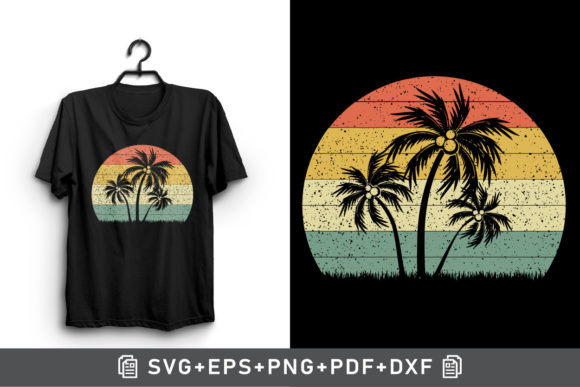
Retro Sunset Vintage Palm Trees Clipart
There is a specific kind of magic that happens when a digital illustration meets the needle and thread. It is not just about transferring an image; it is about translating a mood into texture. When I first opened Retro Sunset Vintage Palm Trees Clipart, I did not see just a collection of vector shapes or layers. I saw a vacation, a memory, and a potential bestseller for my next boutique launch. As someone who has spent years reviewing embroidery files for real-world application, I look past the pretty preview to ask one question: how will this actually hold up under the presser foot?
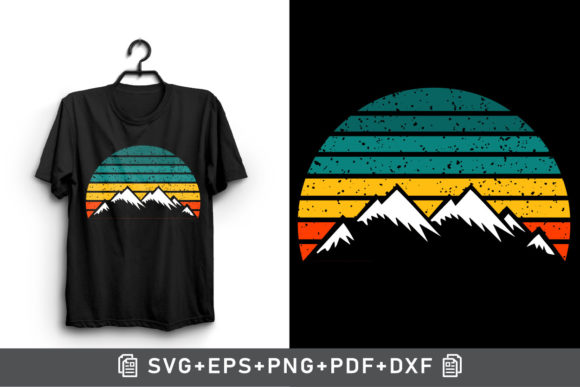
The design immediately evokes a warm, nostalgic atmosphere. The silhouette of the palm trees against a setting sun creates a classic, mid-century modern vibe that feels timeless yet trendy. For an embroidery designer, the initial visual appeal is crucial because it sets the tone for the finished product. This piece does not feel like a generic clip art download; it carries a distinct personality. It suggests relaxed weekends, coastal living, and effortless style. But can that aesthetic survive the translation from screen to fabric?
From Screen to Stitch: A Real Project Scenario
Let us imagine a practical scenario. I am preparing a custom order for a local craft fair. My goal is to create a line of high-end tote bags and kitchen towels featuring summer-themed designs. I need something that stands out on a shelf but also feels substantial enough to justify a premium price point. This is where Retro Sunset Vintage Palm Trees Clipart enters the workflow.
I selected a heavy cotton canvas for the tote bags. The retro sunset motif fits perfectly here. Unlike busy floral patterns that can get lost in the weave of thick canvas, the bold outlines of the palm trees and the gradient effect of the sunset promise clarity. When I visualize the final product, I see the rich colors of the threads catching the light, making the bag look less like a grocery carrier and more like a statement accessory. For a small business owner or Etsy seller, this distinction is everything. It elevates a simple handmade product into a curated brand item.
However, the transition from digital file to physical object requires careful planning. The design offers 100 customized layers, which is a significant advantage. In my experience, layer control is the difference between a messy, tangled mess and a crisp, professional finish. Being able to isolate the palm fronds from the sun allows me to adjust the stitch density specifically for each element. The sun might require a different fill technique than the solid outline of the tree trunk. This level of granularity gives the designer the power to tweak the look before a single stitch is made.
Performance Across Different Fabrics and Products
While the design shines on structured fabrics like canvas or denim, its versatility extends to softer materials as well. I have considered using this motif for baby clothing, such as onesies or burp cloths. The soft curves of the retro style are gentle and appropriate for nursery decor. On these items, the design would likely be rendered in pastel thread colors to match the vintage aesthetic. The embroidery file structure needs to support fine details if we want to capture the subtle lines of the sunset rays, so checking the stitch count is vital before committing to a production run.
For apparel decorators looking at sweatshirts or hoodies, this design works exceptionally well as a chest logo or a large back print. The "Retro" theme aligns perfectly with current streetwear trends. However, stretchy fabrics present a challenge. If the fabric stretches significantly during wear, the dense areas of the embroidery could pucker. This is why understanding the stitch density of the original design is critical. If the fill stitches are too tight, they will pull the fabric inward, distorting the shape of the palm trees. Using the correct stabilizer becomes non-negotiable here to maintain the integrity of the machine embroidery design.
I also evaluated its suitability for caps and hats. Curved surfaces demand designs with fewer sharp corners and a layout that follows the contour of the head. While the palm trees are organic, the geometric nature of the sunset horizon might need adjustment depending on the hat's curvature. Small hoop sizes are another limitation to consider. If you attempt to shrink this design down for a child's shirt or a small patch, the finer details of the layered elements might disappear or become difficult for the machine to execute cleanly.
Visual Appeal and Customer Perception
In the world of handmade goods, visual perception drives sales. Customers often judge the quality of a product by the precision of the embroidery. A design like Retro Sunset Vintage Palm Trees Clipart, when executed well, signals professionalism. It tells the buyer that the creator put thought into the details. The CMYK color mode mentioned in the file description is a helpful starting point for selecting thread colors, ensuring that the vibrant oranges and purples of the sunset translate accurately to the spool.
The design's ability to convey a specific mood enhances the perceived value of the item. A tote bag with a generic flower pattern is functional. A tote bag with a carefully stitched retro sunset scene is an experience. It invites conversation and adds emotional weight to the purchase. For commercial embroidery projects, this emotional connection is a powerful tool for building brand loyalty. It transforms a commodity into a keepsake.
However, there are pitfalls to avoid. Dark fabrics can sometimes swallow the lighter tones of a sunset design unless high-density stitching or a background applique is used. Similarly, textured fabrics like terry cloth or fleece can make it difficult to achieve the clean lines required for the detailed layers of the palms. In these cases, testing on scrap fabric is not just a recommendation; it is a requirement. You must verify that the thread colors provide enough contrast against the background material to ensure the design remains legible.
Practical Designer Notes for Execution
Before you hit "start" on your machine, there are several steps every serious crafter should take. First, inspect the small details. Look closely at the tips of the palm leaves and the edges of the sun. Are they defined enough to stitch without losing definition? If the design relies on tiny running stitches for detail, they may break easily on heavy-duty items like aprons or work shirts.
Second, confirm your licensing terms. Many designers assume that a digital file includes commercial rights for selling finished products. Always check the specific license agreement provided with the Illustrations package. Do you have the right to sell the embroidered tote bags? Is there a limit on the number of units? Protecting your business starts with understanding these boundaries.
Third, test the design in black and white mockups. Sometimes, color hides structural flaws. By removing the color, you can see if the balance of the design holds up. Does the top half look heavier than the bottom? Is the spacing even? This step helps you refine the placement and sizing before wasting expensive thread and fabric.
Finally, consider the washability. Embroidery on items like kitchen towels or baby clothes will undergo frequent washing. Ensure that the stabilizer you use is water-soluble or tear-away as appropriate, and that the stitch density is secure enough to prevent unraveling over time. A beautiful design that falls apart after three washes damages your reputation faster than any other factor.
Retro Sunset Vintage Palm Trees Clipart offers a strong foundation for creative entrepreneurs. It provides the visual hook needed to attract customers while offering the technical flexibility required for high-quality execution. Whether you are creating personalized gifts for friends or scaling up production for a boutique shop, this design asset has the potential to deliver a polished, professional result. Just remember that the success of the project lies not just in the file itself, but in the care and expertise you bring to the stitching process.