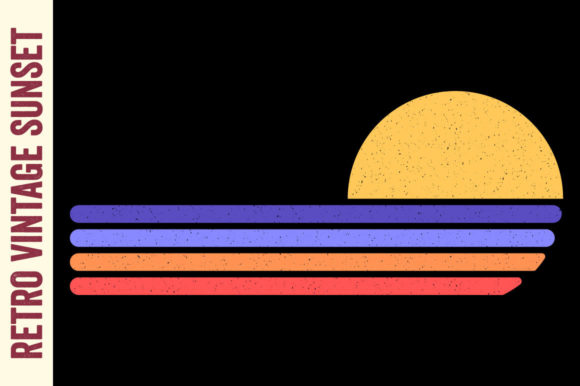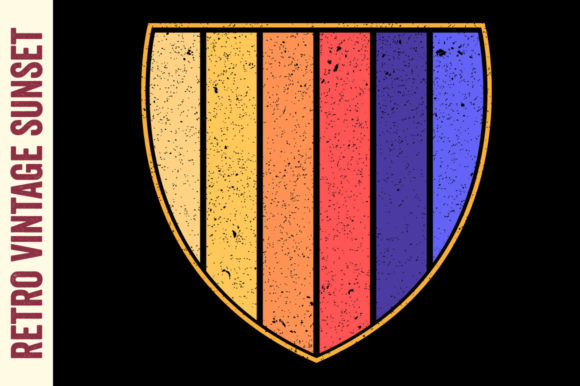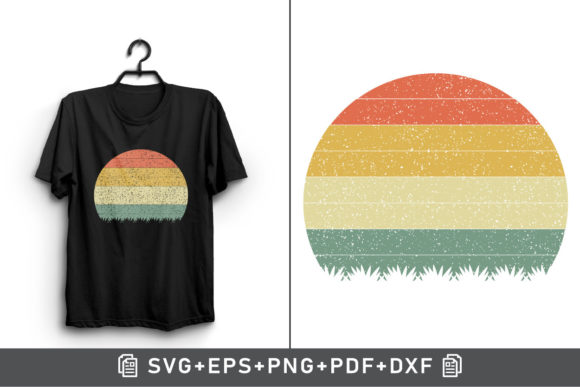
Retro Vintage Sunset Background Review
There is a specific kind of magic that happens when you pull up a design file and immediately know exactly where it belongs. That was my first reaction to the Retro Vintage Sunset Background. As someone who has spent years reviewing embroidery files for both personal hobbies and commercial boutique lines, I look past the pretty preview image to see how the stitches will actually behave on fabric. This design isn't just a graphic; it is a mood setter that promises warmth, nostalgia, and a distinct aesthetic that fits perfectly into the current handmade market.
When I opened the Retro Vintage Vintage Sunset Background, the immediate feeling was one of relaxed confidence. The layout feels balanced, avoiding the cluttered look that often plagues busy background graphics. It screams "summer evening," "road trip," or "cozy cabin," making it an ideal candidate for apparel and home decor. Unlike generic vector shapes, this file seems designed with a specific visual personality in mind—one that values character over perfection. For the Etsy seller or craft fair vendor looking to add a touch of vintage flair to their shop, this is exactly the kind of asset that stops a scroll.
From Digital File to Finished Product: A Real-World Scenario
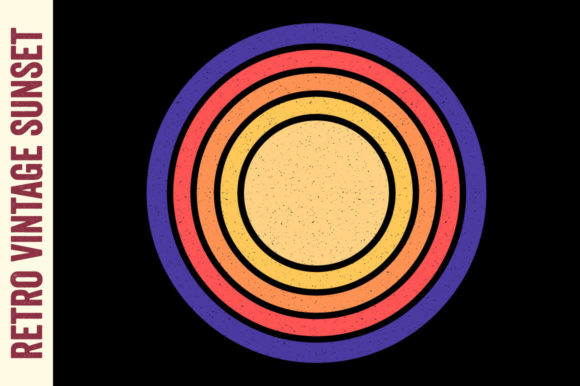
Let's talk about how this would perform in a real production run. Imagine I am preparing a custom order for a client who runs a small boutique specializing in baby gifts. They need a unique design for a set of embroidered nursery pillow covers and matching burp cloths. The Retro Vintage Sunset Background is perfect here. The warm gradients and nostalgic feel create an inviting atmosphere that parents love for nurseries.
In this scenario, the design acts as the canvas rather than the main focal point. When stitched onto a soft cream muslin or a light pastel cotton, the background layers provide depth without overwhelming the central motif, which could be a simple monogram or a tiny animal silhouette. The CMYK color mode mentioned in the description suggests that the file is optimized for vibrant thread selection, allowing me to choose variegated threads that mimic the sunset hues beautifully. This versatility makes it a strong contender for personalized gifts, ensuring that every finished product looks professional and cohesive.
However, the same design might tell a different story if applied to a dark navy sweatshirt intended for a holiday gift. In this case, the background needs to pop against the dark fabric. The layered nature of the file is crucial here. If the design includes 100 customized layers as advertised, it offers the flexibility to separate elements, allowing me to adjust the density or stitch type for different sections. This control is vital when moving from a digital mockup to a physical embroidery project.
Performance on Fabric and Texture
The true test of any machine embroidery design is how it handles the tension of the needle and the texture of the cloth. The Retro Vintage Sunset Background appears to rely heavily on fill stitches to create its gradient effect. While this creates a rich visual, it requires careful consideration of the stabilizer used. On a stable fabric like denim or a heavy tote bag, the design should hold its shape well. But on stretchy knits, such as those used for t-shirts or caps, the high stitch count typical of detailed backgrounds can cause puckering if not stabilized correctly.
I also had to consider the stitch density. Dense areas are great for durability but can make the fabric stiff. For a baby item, where softness is paramount, I would advise reducing the density slightly or using a lighter weight backing. Conversely, for a durable apron or a kitchen towel meant for frequent washing, a denser application ensures the design survives the laundry cycle without fading or fraying. The file format availability—SVG, EPS, PNG, PDF, and DXF—is a significant plus, giving me the ability to manipulate the design in various software before sending it to the machine.
Where to Use (and Where to Pause)
While this design is versatile, it is not a one-size-fits-all solution. There are specific scenarios where caution is required. For instance, attempting to use this background on a curved surface like a baseball cap can be tricky. The perspective distortion inherent in curved stitching might flatten the sunset effect, altering the intended mood. Similarly, on very thin fabrics, the sheer volume of thread required for a full background could cause the material to tear or become transparent.
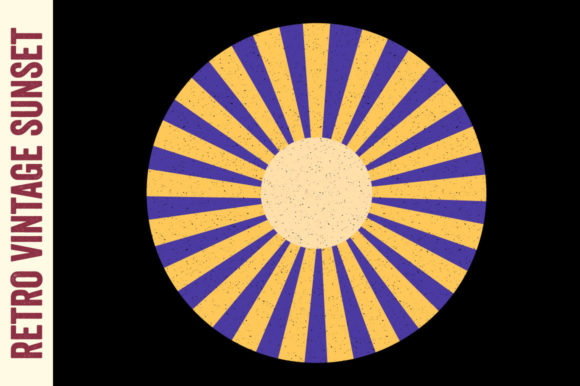
Small hoop sizes present another challenge. If the design features intricate details in the corners or fine lines representing the sun's rays, these might get lost in a 4x4 inch hoop. The embroidery file needs enough space to breathe so that the individual stitches don't merge into a muddy blob. I recommend testing the design on scrap fabric first to ensure the smallest details remain crisp. Additionally, while the CMYK mode is great for planning, always remember that embroidery threads do not match screen colors perfectly. Always check your thread spools against the digital preview to avoid unexpected color clashes.
Visual Appeal and Brand Value
For the creative entrepreneur, the difference between a mass-produced item and a handcrafted treasure often lies in the details. The Retro Vintage Sunset Background elevates the perceived value of a handmade product. When a customer receives a tote bag or a pillow cover featuring this design, they aren't just buying a utility item; they are buying a piece of art that evokes a feeling. This emotional connection drives repeat business and positive reviews.
The design also supports brand consistency. Whether you are creating a line of custom apparel or a collection of embroidered patches, having a signature background style helps unify your portfolio. It allows you to mix and match different foreground elements while maintaining a recognizable aesthetic. This is particularly useful for seasonal collections, such as holiday gifts or summer vacation merchandise, where the theme needs to shift but the brand identity must remain steady.
Practical Designer Notes for Success
Before you start stitching, there are a few critical steps to take to ensure your finished product meets your standards. First, inspect the small details in the file. Sometimes, complex backgrounds can have stray points or overlapping paths that confuse the embroidery software. Clean up the file if necessary to prevent thread breaks.
Second, confirm the licensing terms. If you plan to sell the finished items commercially, verify that the purchase includes a commercial license. Many designers offer different tiers for personal and commercial use, and assuming otherwise can lead to legal issues. Third, always test the thread colors on the actual fabric you intend to use. A color that looks vibrant on a monitor might appear dull on a textured linen. Finally, compare light and dark fabric backgrounds during your mockup phase to ensure the design works across your entire product range.
In conclusion, the Retro Vintage Sunset Background is a robust addition to any designer's library. Its ability to convey warmth and nostalgia makes it a powerful tool for anyone in the craft business or selling on platforms like Etsy. By understanding its strengths and limitations, you can transform a simple digital file into a stunning, tangible piece of art that customers will cherish. Whether you are decorating a sweatshirt, a baby onesie, or a boutique pillow, this design offers the potential to elevate your work from good to exceptional.