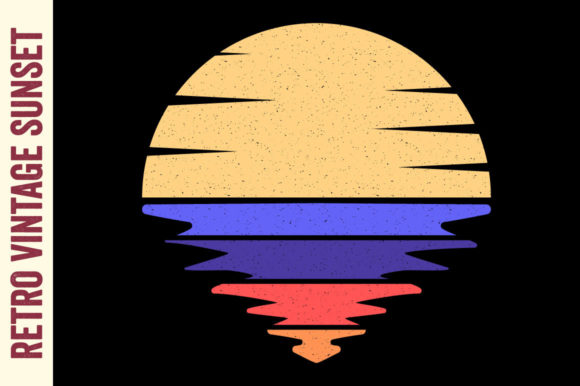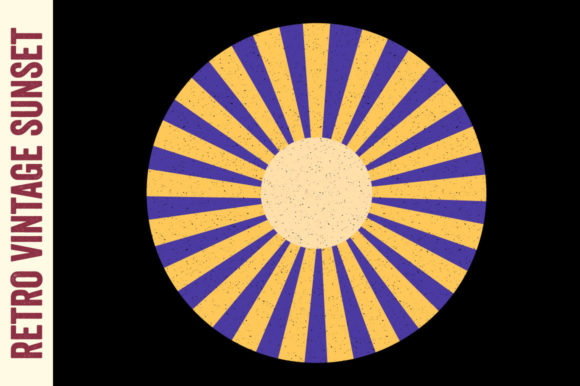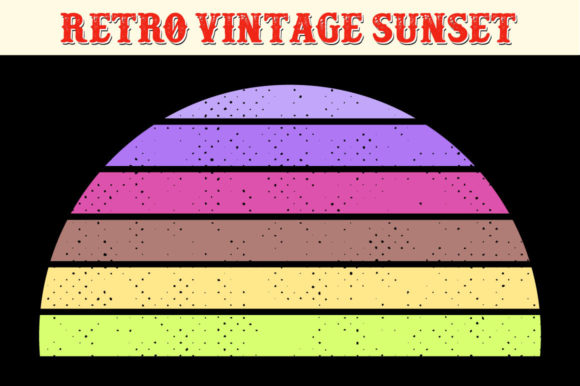
Retro Vintage Sunset Merch by Amazon
When I first opened the file for Retro Vintage Sunset Merch by Amazon, I didn't just see a graphic; I saw a mood. As someone who has spent years turning digital files into tangible, stitched products, my first instinct is always to look past the pretty preview and ask: how will this actually hold up on fabric? This design immediately evokes that warm, nostalgic feeling of 70s California coastlines, with its bold color gradients and classic typography. It is exactly the kind of visual asset that can elevate a simple tote bag or a baby onesie into a statement piece, but only if you understand how to translate it from screen to stitch.
The core appeal of this design lies in its ability to bridge the gap between digital print templates and physical embroidery. For the Etsy seller or the boutique owner looking to stock handmade products, this isn't just another generic sunset clipart. It carries a specific personality—relaxed, retro, and timeless. When I imagine placing this on a canvas tote bag, the vintage aesthetic instantly suggests a product that feels curated rather than mass-produced. However, before you rush to your machine, there are practical considerations regarding stitch density and thread contrast that determine whether this becomes a bestseller or a frustrating project.
Bringing the Design to Life: A Real-World Scenario
Let's walk through a hypothetical scenario that many of us face. You are preparing a batch of custom embroidered sweatshirts for a local craft fair. The goal is to create a cohesive line of apparel that appeals to both hobbyists and creative entrepreneurs. You decide to feature Retro Vintage Sunset Merch by Amazon as the centerpiece of your collection. On the computer screen, the colors pop against a white background, promising a vibrant finished product.
But once you move to the actual embroidery phase, the reality sets in. The design relies heavily on smooth transitions typical of fill stitches. If you are working with a textured fabric like heavy-duty denim or a fuzzy fleece, the definition might get lost. The curves of the sun need to be crisp to maintain that retro vibe. In my experience, this design works exceptionally well on smoother fabrics like cotton twill or high-quality jersey for t-shirts, where the satin stitches can lay flat and reflect light beautifully. If you were attempting this on a rough burlap sack, the fine details would likely disappear, ruining the visual impact.
I also considered using this for a personalized gift project, specifically a set of embroidered patches for a small shop's branding. The layout allows for flexibility, making it suitable for circular patches often used on caps or aprons. However, the success here depends entirely on the hoop size you choose. If you try to compress this design into a tiny hoop meant for baby clothes, the intricate details of the sunset rays might merge together, creating a muddy blob instead of a sharp image. The design demands enough space to breathe, allowing the eye to travel across the gradient and appreciate the craftsmanship.
Where to Use It and Where to Pause
While Retro Vintage Sunset Merch by Amazon is versatile, it is not a universal solution for every embroidery project. There are specific scenarios where caution is required to ensure a professional finish. One of the primary concerns is working with dark fabrics. Because the original graphics often feature lighter tones to achieve that sunset glow, stitching these directly onto black or navy material without a substantial underlay can result in poor coverage. You may find yourself needing to adjust your thread colors or add a dense layer of stabilizer underneath to prevent the fabric from showing through.
Similarly, stretchy fabrics present a challenge. If you are designing for athletic wear or thin, knitted materials, the tension of the embroidery can cause the garment to pucker around the design area. This is particularly true if the stitch density is high. To avoid this, you must use the correct type of stabilizer. A cut-away stabilizer is often necessary for maintaining the shape of the design over time, especially for items that will be washed frequently, like kitchen towels or aprons. If you skip this step, the design might distort after just a few washes, which is a surefire way to lose customer trust.
Another area to approach carefully is curved surfaces like baseball caps. While the rounded shape of the sunset fits the curvature of a hat well, the lettering or smaller text elements within the design need to be legible when viewed from a distance. If the design includes tiny details or complex corners, they might become difficult to stitch accurately on the curved panel of a cap. In such cases, simplifying the design or adjusting the digitization parameters is essential. Always test the design on a scrap piece of the same fabric before committing to your final product.
Maximizing Visual Appeal and Product Value
The ultimate goal of any embroidery designer is to create a finished product that feels premium. Retro Vintage Sunset Merch by Amazon has the potential to significantly boost the perceived value of your merchandise. When a customer sees a well-executed, high-contrast embroidery on a hoodie or a tote bag, they perceive the item as higher quality than a standard print. This design, with its strong visual identity, helps establish brand consistency for small business owners. It signals that you care about aesthetics and detail.
For those selling digital products or printable mockups, this design serves as an excellent example of how to showcase your work. A high-quality mockup featuring this sunset design on various backgrounds can help potential buyers visualize the end result. It demonstrates versatility, showing how the same design can adapt to different contexts, from nursery decor to holiday gifts. The retro theme resonates with current trends, making it a safe yet stylish choice for commercial embroidery projects.
However, the success of the project also hinges on your preparation. Before you start stitching, review the thread colors to ensure they complement the fabric. A bright yellow sun might look garish on a red shirt but stunning on a cream-colored pillow cover. Testing the design in black and white mockups can also help you assess the contrast and clarity of the shapes, ensuring that the silhouette remains strong even without color.
Essential Notes for the Embroidery Designer
To ensure the best results with Retro Vintage Sunset Merch by Amazon, keep these practical tips in mind. First, always inspect the small details in the design file. Look for any areas where stitches might overlap incorrectly or where the density seems too high. If the file is provided as a generic embroidery file without specific instructions, take the time to verify the compatibility with your machine. Not all machines handle complex gradients equally well.
Secondly, confirm the licensing terms before selling finished items. Even though this is listed under Print Templates and Graphics, the rights to sell the physical product created from the design can vary. Ensure you have the commercial license required to sell the finished goods on platforms like Etsy or at craft fairs. This protects your craft business from legal issues down the road.
Finally, remember that patience is key. Whether you are creating a single personalized gift or a bulk order of custom apparel, taking the time to test the design on scrap fabric first can save you hours of rework. Check the stitch density and adjust the settings if necessary. By treating the design with respect and understanding its limitations, you can transform a simple digital file into a cherished handmade product that stands out in a crowded market.