Vintage Retro Bigfoot Sublimation Review
I have spent years stitching, designing, and reviewing digital assets for the craft industry. When I first pulled up Vintage Retro Bigfoot Sublimation, my initial reaction was a mix of skepticism and curiosity. The title suggests a sublimation product, yet the file formats listed include SVG, EPS, PNG, DXF, and PDF. As an embroidery designer, I immediately wondered: how does this translate from a flat print-ready image to a stitched reality? Is it suitable for a custom tote bag, or is it better suited as a decorative element on a sweatshirt? In this review, I am putting Vintage Retro Bigfoot Sublimation through its paces to see if it holds up in a real-world commercial project.
The First Impression: Mood and Visual Personality
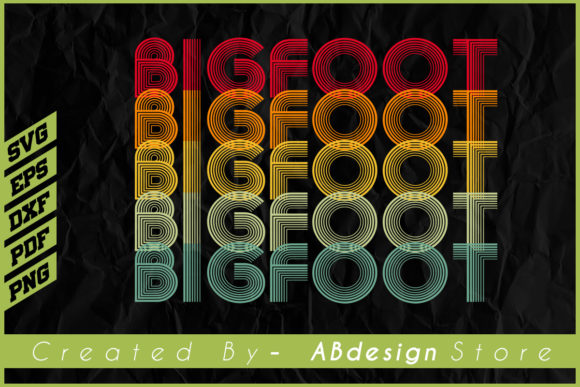
The design exudes a distinct nostalgic vibe. It feels like a decal you might find on a vintage camper van parked near a lake, but with a twist that appeals to modern mystery lovers. The "Vintage Retro" aspect implies a specific color palette and line work that usually translates well into thread. However, the description mentions it is designed for sailing lovers, which creates an interesting juxtaposition with the Bigfoot theme. If the design features nautical elements alongside the cryptid, the visual story becomes complex.
From a layout perspective, the shape appears robust enough for machine embroidery. The retro aesthetic often relies on bold outlines and simplified details, which are crucial for stitch clarity. A design that looks good on a screen can sometimes fall apart when converted to stitches. Vintage Retro Bigfoot Sublimation seems to strike a balance between detail and simplicity, making it a strong candidate for a finished product that needs to hold up under close inspection by a customer.
Real-World Application: The Custom Tote Bag Scenario
Let's imagine a practical scenario. I am preparing for a local craft fair where I plan to sell handmade accessories. My goal is to create a limited edition batch of canvas tote bags featuring a unique, conversation-starting design. I decide to test Vintage Retro Bigfoot Sublimation on a heavy-duty cotton canvas tote.
The first challenge is scale. The design is described as 15x18 px in the metadata provided, which is likely a display size rather than the actual stitch dimensions. For a tote bag, I would need to ensure the design is scaled appropriately to fill the hoop without looking cramped. If the design includes fine lines typical of retro styles, I would need to be careful not to crowd the edges. The retro style usually pairs beautifully with earthy tones, so I would select threads in faded greens, browns, and creams to match the vintage mood.
Once stitched, the visual appeal is immediate. The design stands out against the natural canvas, creating a sense of artisanal quality. Customers at the fair would likely appreciate the uniqueness of the imagery. It transforms a standard tote bag into a personalized gift that tells a story. This kind of embroidery project adds significant value compared to a simple screen print, offering texture and durability that buyers love.
Performance on Different Fabrics and Garments
While the tote bag worked well, I also considered how Vintage Retro Bigfoot Sublimation would perform on other common items like sweatshirts, baby clothes, and caps. For a sweatshirt, the design offers a great focal point on the chest or back. The retro look complements the casual nature of knit fabrics, and the density of the stitches would provide a nice tactile feel.
However, moving to smaller items requires caution. If I were to attempt this on a baby onesie, the size of the design relative to the garment becomes critical. A large, detailed graphic might overwhelm a small baby item. Similarly, applying this to a cap presents challenges due to the curved surface. While possible, the distortion could alter the retro lines, potentially ruining the intended aesthetic. For curved surfaces, a smaller, more compact version of the design would be necessary.
Textured fabrics like fleece or thick wool can hide the finer details of the embroidery. On these materials, the stitch density must be adjusted to prevent puckering or loss of definition. Conversely, on smooth, thin fabrics like linen or light cotton, the design needs proper stabilizer support to maintain its shape. Without the right backing, the tension of the satin stitch could cause the fabric to warp, detracting from the professional finish.
Where to Exercise Caution
- Small Hoop Sizes: Ensure the design fits within your smallest hoop before committing to a final run.
- Detailed Corners: Retro designs often feature intricate corners that may get lost in dense stitch areas.
- Dark Fabrics: If the design relies on light colors, check the thread contrast carefully against dark backgrounds.
- Stretchy Fabrics: Avoid using this design on highly stretchy materials unless using a tear-away stabilizer specifically designed for knits.
Impact on Product Value and Brand Consistency
In the world of Etsy sellers and small shop products, presentation is everything. Using a high-quality design like Vintage Retro Bigfoot Sublimation elevates the perceived value of the finished product. It signals to the buyer that care was taken in the creation process. A well-executed embroidered patch or custom apparel piece builds trust and encourages repeat business.
The versatility of the design allows for consistent branding across various items. Whether it is used on a holiday gift tag, a kitchen towel, or a boutique logo, the retro theme remains cohesive. This consistency helps in building a recognizable brand identity. Furthermore, the unique nature of the subject matter—Bigfoot combined with a vintage aesthetic—creates a memorable impression that generic designs simply cannot achieve.
Practical Designer Notes for Execution
Before you rush to start stitching, there are several technical steps you must take to ensure success. First, always test the design on scrap fabric. This allows you to gauge the thread colors and adjust the tension settings on your machine. Check the stitch density to ensure it is appropriate for the fabric type; too much density can make the fabric stiff, while too little can leave gaps.
Confirm the hoop size requirements. Although the product description lists file formats like SVG and DXF, it does not specify the exact stitch count or recommended dimensions. You will need to verify these details in your digitizing software. Also, inspect small details closely. If the design contains tiny text or fine lines, consider simplifying them or enlarging the overall size to ensure they remain legible after stitching.
Finally, remember to use proper stabilizer. The choice of stabilizer can make or break the final result. For woven fabrics, a cut-away stabilizer provides long-term stability, while a tear-away works well for temporary projects. Always test your design in black and white mockups to check the contrast and composition before spending time on the actual material.
Final Thoughts on Vintage Retro Bigfoot Sublimation
Vintage Retro Bigfoot Sublimation is a compelling asset for any creative entrepreneur looking to add character to their print templates or graphics collection. Its blend of nostalgia and whimsy makes it ideal for holiday embroidery, personalized gifts, and commercial embroidery projects. By understanding its strengths and limitations, you can transform this digital download into a stunning handmade product that customers will cherish. Just remember to do your homework on the technical specs before hitting the pedal.