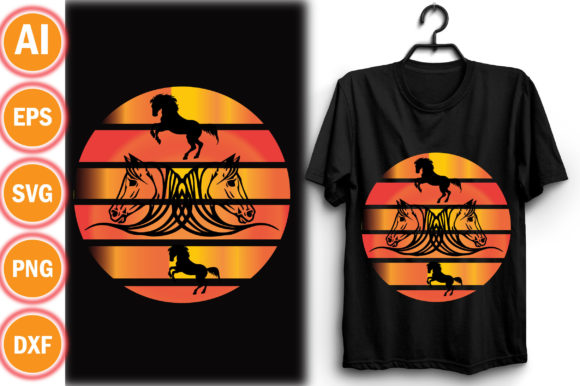
Horse Retro Circle Design 12: A Designer's Real-World Review
As someone who has spent years stitching custom apparel and reviewing machine embroidery design files for various craft businesses, I know that the difference between a good project and a great one often comes down to the file itself. Today, I am putting Horse Retro Circle Design 12 through its paces. This isn't just another generic graphic; it is a piece of Graphics intended for serious makers, Etsy sellers, and boutique owners who need reliable assets for their commercial embroidery projects.
The description notes that this is a digital preview with no physical product included, which is standard for digital embroidery file purchases, but it leaves us to judge purely on visual potential and technical feasibility. When I first laid eyes on the previews, the immediate mood was nostalgic yet fresh. The retro circle shape suggests a classic badge aesthetic that fits perfectly into current trends for vintage-inspired fashion and home goods. It feels like something you would see on a well-loved denim jacket or a high-end canvas tote bag at a local craft fair.
Visual Personality and First Impressions
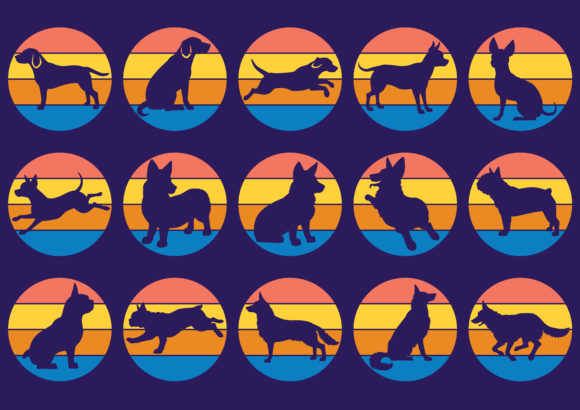
The layout of Horse Retro Circle Design 12 strikes a balance between simplicity and character. In the world of embroidery project planning, less is often more, provided the details hold up under the needle. The circular frame provides a contained area that naturally draws the eye, making it an ideal candidate for chest placements on sweatshirts or centered motifs on baby clothes. The "retro" element implies a specific color palette—likely warm tones or muted pastels—that would pop beautifully against both light and dark fabrics if the thread colors are chosen correctly.
For a designer evaluating this for a client, the question is always about versatility. Does this design feel too niche? Absolutely not. The horse theme is universally appealing, from equestrian enthusiasts to those who simply love country aesthetics. The circle adds a sense of completeness, which helps when designing branding for a small shop product line. Whether you are creating a logo for a farm-to-table bakery or a fun motif for a personalized gift, this design offers a strong foundation for a handmade product.
Real-Life Application: From Screen to Stitch
Let's imagine a real scenario. You are preparing for the holiday season, and you have a rush order for a boutique owner who wants embroidered aprons for her staff. She needs something that looks professional but also has a touch of whimsy. Horse Retro Circle Design 12 becomes the star of the show here. Because it is a self-contained circle, it sits perfectly on the bib of an apron without feeling awkwardly large or lost in the fabric texture.
I also see this working exceptionally well for tote bag design projects. Canvas is a forgiving fabric that handles stitch density well, allowing the retro details to stand out without puckering. If you are an Etsy seller looking to expand your inventory, adding these designs to a collection of kitchen towels or pillow covers could be a smart move. The design's clean lines make it easy to integrate into a cohesive brand identity, ensuring that your finished product looks polished and intentional.
However, not every surface is created equal. While this design shines on structured items like caps or patches, it requires careful consideration for stretchy fabrics. If you attempt to stitch this onto a thin, stretchy t-shirt without proper stabilization, the circle might distort, losing its geometric integrity. This is where understanding hoop size and stabilizer types becomes critical. For sweatshirt embroidery, the heavier fabric usually provides enough stability, but you must ensure the tension is adjusted so the satiny stitch areas do not sink into the fleece.
Where Caution Is Required
Even the most adorable design can fail if placed in the wrong context. There are specific scenarios where Horse Retro Circle Design 12 might struggle. Small hoop sizes are a primary concern. If the design contains intricate details within the inner circle, shrinking it down to fit a 4x4 inch hoop could result in a muddy mess where the individual threads blend together. Always check the digitization to ensure the smallest elements remain distinct after resizing.
Textured fabrics present another challenge. A heavy corduroy or a loose-weave linen might catch the running stitch or fill stitches unevenly, altering the visual personality of the horse motif. Similarly, dark fabrics require a contrasting thread choice that is bold enough to cut through the background. If the thread color is too close to the fabric, the retro circle will lose its definition, making the embroidery file look unintentionally faded.
Layered garments, such as hoodies with thick seams, can also cause issues. If the design is stitched over a seam, the needle may deflect, leading to misalignment. Curved surfaces like baseball caps demand precise curvature adjustments in the digitization. If the file is not optimized for curved hooping, the circle may appear oval or stretched once applied to the cap's dome.
Impact on Brand and Customer Trust
In the competitive world of craft business, the quality of your embroidery speaks volumes about your professionalism. A poorly executed design can erode customer trust instantly. Conversely, a well-stitched Horse Retro Circle Design 12 elevates the perceived value of your item. When a customer receives a personalized gift or a boutique product with crisp, clear stitching, they associate that quality with your brand.
This design supports brand consistency because its retro style is timeless. It allows you to create a recognizable visual language across different products, from apparel decorators selling custom tees to makers selling holiday embroidery ornaments. The clarity of the design ensures that even at a glance, the buyer understands the theme and appreciates the craftsmanship. This recognition is vital for building a loyal following in the small shop product market.
Practical Notes for the Designer
Before you commit to using this design in a commercial run, there are essential steps to take. First, test the design on scrap fabric that matches your final material. This allows you to assess how the thread colors interact with the fabric and whether the fill stitch density causes any puckering. Review the stitch density closely; if the design is too dense, it may become stiff and uncomfortable to wear.
Confirm your hoop size requirements before starting. Ensure that the design dimensions align with the available space on your garment or accessory. Inspect small details in the digitization to ensure they won't get lost during the stitching process. It is also wise to test the design in black and white mockups to verify contrast levels, especially if you plan to use it on printable mockup listings for your online store.
Always check the licensing terms provided by the creator. The description mentions that the design can be used for home business or personal use, but it does not explicitly state the limits on commercial resale. As a responsible design asset user, you must confirm whether you are allowed to sell finished items made with this design. Using proper stabilizer is non-negotiable for achieving a professional finish, particularly for embroidered patch applications or items that require frequent washing.
Ultimately, Horse Retro Circle Design 12 offers a charming and versatile option for creators looking to add a touch of retro flair to their work. With careful planning and attention to the technical nuances of machine embroidery, it can transform a simple piece of fabric into a standout custom apparel item or a cherished personalized gift. Just remember that the success of the project lies as much in your preparation as it does in the design itself.