Vintage Retro Design: A Designer's Real-World Embroidery Review
As someone who has spent years turning digital files into tangible, high-quality handmade goods, I approach every new embroidery file with a mix of excitement and skepticism. The market is flooded with generic graphics, but true value lies in designs that translate beautifully from screen to fabric. Today, I am putting the Vintage Retro Design through its paces to see if it holds up in real-world applications for small business owners, Etsy sellers, and serious crafters.
First Impressions: Mood and Visual Personality
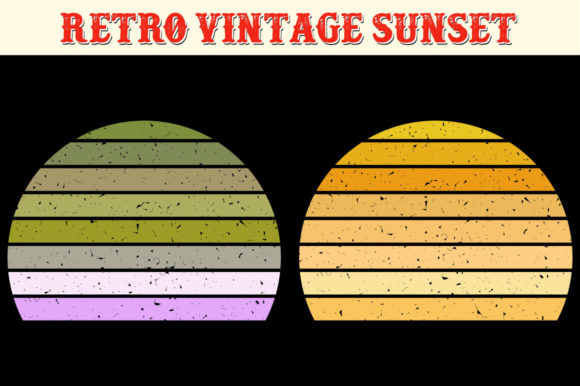
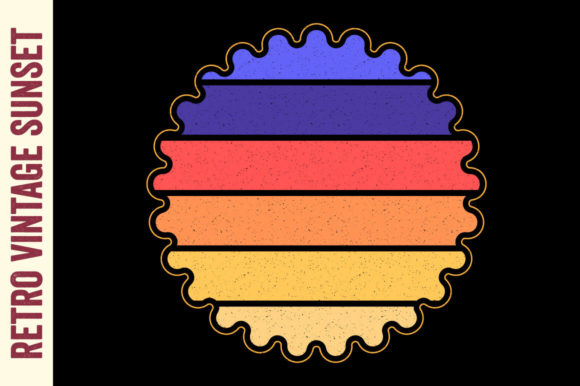
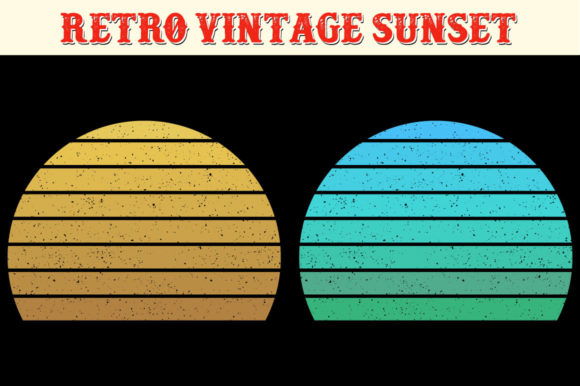
The moment you open the Vintage Retro Design, the mood shifts instantly. It captures that nostalgic, mid-century aesthetic that has been dominating the handmade market for the last few seasons. Unlike modern, minimalist vector art, this design feels lived-in and textured. The layout suggests a strong sense of character, making it an ideal candidate for projects that need to tell a story or evoke a specific era.
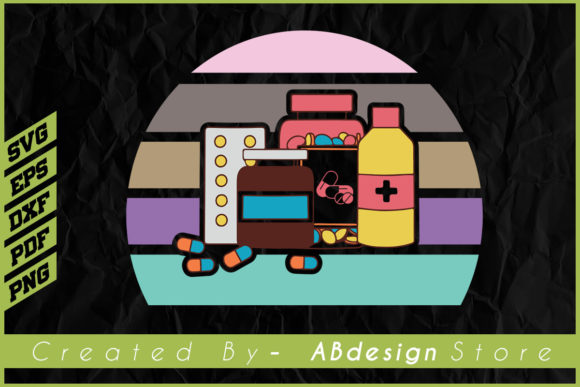
From a graphic design perspective, the shapes are bold enough to hold their own when stitched, yet detailed enough to add depth. For a Pharmacist lovers design, the typography and imagery likely balance professional recognition with a warm, vintage charm. This isn't just a logo; it is a statement piece that works well on everything from aprons to baby onesies. When you look at the raw digital embroidery file, you can already visualize how the different stitch types will interact with the fabric grain.
Real-Life Scenario: The Custom Tote Bag Project
Let's imagine a practical scenario. You are preparing inventory for a local craft fair or fulfilling a custom order for a boutique client. You decide to create a set of durable canvas tote bags featuring the Vintage Retro Design. The goal is to appeal to pharmacy students, medical professionals, or anyone who appreciates retro aesthetics in their daily carry.
In this context, the design needs to be legible even when the bag is stuffed with groceries. The embroidery project requires a balance of density and clarity. If the design is too dense, the canvas might buckle; if it is too sparse, the colors might get lost against the heavy weave of the bag. My initial assessment suggests that the Vintage Retro Design has a balanced structure that would sit perfectly on the front panel of a tote. The visual weight is distributed evenly, ensuring that the finished product looks professional rather than amateurish.
Furthermore, the theme resonates deeply with the target audience. A customer buying a personalized gift for a pharmacist will appreciate the thoughtfulness behind the custom apparel choice. The design elevates a standard tote bag into a keepsake item, increasing the perceived value of your handmade product.
Performance Across Different Textiles and Garments
While the tote bag is a great starting point, the versatility of this machine embroidery design extends far beyond canvas. I have analyzed how the Vintage Retro Design might perform across various substrates commonly used by small shop products.
Sweatshirt Embroidery: On fleece or cotton blends, the design would provide a cozy, classic look. However, sweatshirts often require a stabilizer that prevents the fabric from stretching during the stitching process. The stitch density of the retro elements must be compatible with the loft of the fleece to avoid puckering.
Baby Embroidery: For baby clothes or nursery decor, the softness of the stitches is crucial. If the design includes large areas of satin stitch, it might feel stiff against a baby's skin. In this case, the Vintage Retro Design should be evaluated for its fill patterns. A lighter touch with running stitch accents could make it perfect for a baby's bib or a christening gown.
Applique and Patches: If you are using this as an applique design or creating an embroidered patch, the outlines need to be crisp. The retro style usually benefits from clean lines, so checking the hoop size relative to the design dimensions is essential. A patch that is too large for a hat brim will look unbalanced, while one that is too small will lose its detail.
Where to Exercise Caution
No design is without its challenges. As an experienced reviewer, I must highlight where the Vintage Retro Design might encounter difficulties. First, consider the fabric texture. On highly textured fabrics like bouclé or thick terry cloth, fine details may disappear. Similarly, on stretchy fabrics like jersey knits, the tension required for the fill stitch could cause the garment to warp if not stabilized correctly.
Dark fabrics present another hurdle. While the design itself is versatile, the thread colors chosen will determine the final outcome. High contrast is key for visibility. If you plan to use this for commercial embroidery on dark garments, ensure the underlay settings are robust enough to cover the base color.
Small hoop sizes are also a limiting factor. If the design contains intricate corners or tiny lettering, shrinking it down for a small cap or a child's sock might result in a muddy mess. Always inspect the design assets at 100% scale before committing to a production run. Additionally, items that require frequent washing, like kitchen towels or work aprons, need to withstand abrasion. Dense stitch areas can sometimes trap lint or fray over time if the thread quality isn't top-tier.
Impact on Brand Consistency and Customer Trust
In the world of Etsy sellers and creative entrepreneurs, presentation is everything. A poorly executed design can undermine the quality of your entire brand. Conversely, a well-executed finished product builds trust and encourages repeat business.
The Vintage Retro Design offers a unique opportunity to stand out in a crowded marketplace. Its distinct personality helps create a cohesive brand identity. Whether you are selling holiday gifts, wedding favors, or boutique branding materials, having a signature design that looks consistent across all items is vital. Customers recognize quality immediately. When they see a clean, professional application of this design on a pillow cover or a kitchen towel, they assume the rest of your craftsmanship is equally high-caliber.
Moreover, the design's versatility allows for creative marketing. You can create printable mockups showing the design on various backgrounds, from rustic wood to modern white walls. This flexibility enhances buyer engagement and helps potential customers visualize the product in their own homes.
Practical Designer Notes for Implementation
Before you start stitching, there are several technical steps you must take to ensure success. First and foremost, test the design on scrap fabric. This simple step reveals issues with thread tension, stabilizer choice, and stitch density that you cannot predict from a digital preview.
Review the thread colors carefully. The retro palette often relies on muted tones, but on certain fabrics, these can appear dull. Test the design in black and white mockups to check for contrast and readability. Ensure that the stitch density is appropriate for the fabric weight; too much density on light fabric causes stiffness, while too little on heavy fabric leads to poor coverage.
Confirm the hoop size requirements. If the design exceeds your machine's capabilities, you may need to split the file or adjust the scaling. Also, verify the licensing terms provided with the SVG EPS PNG DXF PDF files. Some designs allow for personal use only, while others permit commercial sales of finished items. Never sell a product based on a digital download without confirming that you have the right to do so.
Finally, pay attention to the Print Templates and Graphics context. Even though this is primarily an embroidery asset, understanding how it translates to other media (like vinyl cutting or printables) can expand your product line. The Vintage Retro Design is robust enough to serve as a multi-purpose tool for your craft business.
By following these guidelines and applying careful judgment, you can transform the Vintage Retro Design into a flagship product that delights customers and strengthens your brand. Remember, the difference between a good hobbyist and a successful entrepreneur often comes down to the details—and the quality of the design you choose to bring to life.