Retro 80s Abstract Pattern: A Designer's Real-World Review
When I first opened the file for Retro 80s Abstract Pattern, I didn't just see a graphic; I saw a mood. As someone who spends hours tweaking stitch density and selecting thread colors, my initial reaction was one of cautious excitement. The aesthetic is undeniably strong, blending art deco geometry with modernist flair in a way that feels both nostalgic and fresh. But does it translate well from a digital screen to a physical piece of fabric? That is the question every serious embroidery designer needs to answer before hitting the "stitch" button.
This isn't just another Print Template or generic Graphics asset. It is a versatile design file that promises scalability, which is crucial when you are working on everything from tiny baby onesies to large tote bags. However, the devil is always in the details when moving from SVG to satin stitch. In this review, I am going to walk through how this specific pattern performs in real-world scenarios, where it shines, and where it might trip up an unwary maker.
The First Stitch: Visual Impact and Mood
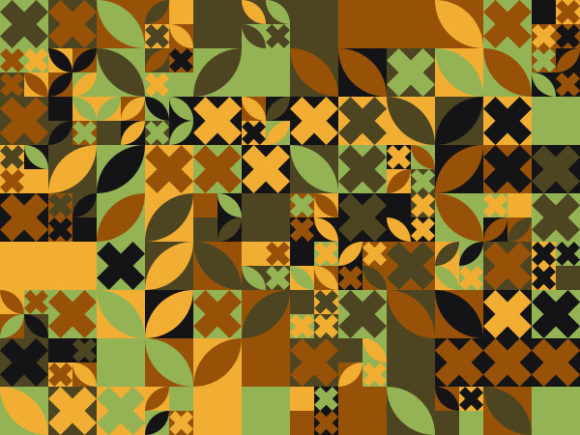
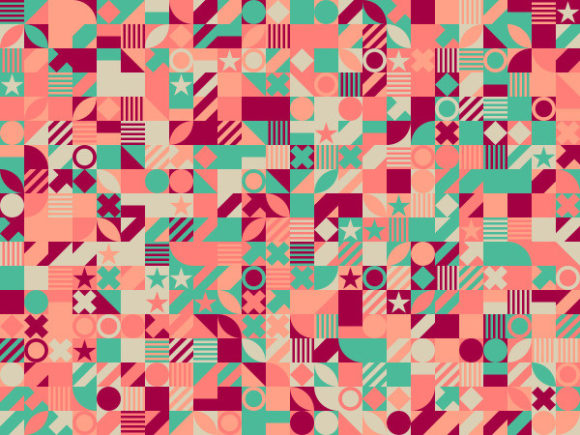
The visual personality of Retro 80s Abstract Pattern is bold. It screams confidence. When laid out on a mockup, the interplay of shapes creates a dynamic rhythm that draws the eye immediately. For a small business owner looking to create unique merchandise, this design offers a distinct identity that separates your products from the sea of floral and minimalist designs flooding Etsy. It feels timeless, yet distinctly contemporary, making it perfect for brands that want to project a cool, curated vibe.
From a stitching perspective, the abstract nature means there are no fine lines that require microscopic precision, which is a relief. Instead, the design relies on fill stitches and clean geometric blocks. This suggests a robust final product that will hold its shape well over time. The layout is balanced enough to work as a central chest motif or a repeating border on a garment, giving you flexibility in your embroidery project planning.
Real-World Application: From Tote Bags to Nursery Decor
Let's talk about practical use. Imagine you are preparing a custom order for a boutique client. They need a set of embroidered tote bags for a local market event. You decide to use Retro 80s Abstract Pattern as the main focal point. Because the design is scalable, you can expand it to cover the entire front panel of the bag without losing integrity. The result is a high-value item that looks professionally finished.
I also envision this design thriving on sweatshirts and hoodies. The retro aesthetic pairs beautifully with heavyweight cotton fabrics often used in streetwear. When stitched with contrasting thread colors, the geometric shapes pop against the fabric texture, creating a tactile experience that customers love to touch. It transforms a simple garment into a statement piece.
Beyond apparel, this pattern is surprisingly versatile for home goods. Picture a set of kitchen towels featuring this design in vibrant threads. The abstract shapes add a splash of color to a neutral kitchen without overwhelming the space. Similarly, for nursery decor, a softer color palette applied to this same pattern could create a modern, playful atmosphere for a baby's room. Whether you are selling handmade product at a craft fair or listing items online, the design adds a layer of sophistication that elevates the perceived value of the finished item.
Where to Exercise Caution: Fabric and Finish
While the design is powerful, it is not without its challenges. If you are working with a very small hoop size, you need to be mindful of the detail level. While the shapes are clear, cramming them into a 4x4 hoop might make the individual elements feel crowded, reducing the impact of the abstract flow. Always test the scale relative to your intended product size.
Fabric choice is equally critical. Stretchy fabrics like thin jersey or loose-knit t-shirts can distort geometric patterns if not stabilized correctly. The tension required for dense fill stitches might cause puckering on these materials. If you are aiming for a crisp finish on a stretchy material, you must use a high-quality cut-away stabilizer and perhaps even a tear-away backing to support the area during stitching.
Dark fabrics present another consideration. To ensure the Retro 80s Abstract Pattern stands out, you will likely need to adjust your thread selection carefully. Lighter threads may get lost against a black background unless you use a high-density underlay or a bright top thread. Conversely, on light fabrics, darker threads provide excellent contrast but require precise machine calibration to avoid thread breaks.
Impact on Brand and Customer Trust
In the world of craft business and Etsy seller success, presentation is everything. A well-executed embroidery file signals professionalism. When a customer receives a personalized gift or a custom apparel item that features a clean, sharp Retro 80s Abstract Pattern, they perceive higher quality. The design's clarity suggests that the maker took care, which builds trust and encourages repeat purchases.
Furthermore, the versatility of this design allows for consistent branding across different product lines. You can use the same core pattern on a patch, a cap, and a pillow cover, creating a cohesive collection. This consistency helps in building a recognizable brand identity. When buyers see the same distinctive style repeated across your shop, it reinforces your status as a creative entrepreneur with a unique vision.
Practical Designer Notes for Success
Before you commit to a full production run, there are essential steps to take. First and foremost, always test the design on scrap fabric. This allows you to check the stitch density and see how the satin stitch and fill stitch interact with your specific fabric type. You want to ensure there are no gaps or excessive thread buildup.
Review your thread colors thoroughly. Since the design is abstract, color combinations can drastically change the mood. Try running a test in black and white mockups first to understand the contrast and composition without the distraction of color. This step is vital for ensuring the design works on both light and dark backgrounds.
Don't forget to inspect the small details. Even though this is an abstract pattern, some corners or intersections might need manual adjustment in your digitizing software to prevent bird nests or skipped stitches. Confirm your hoop size matches the design dimensions to avoid unnecessary trimming or re-hooping.
Finally, verify the licensing terms. If you plan to sell finished items featuring this digital embroidery file, ensure you have the commercial rights. Using assets purchased for personal use in a commercial embroidery project can lead to legal issues. Check the license agreement to confirm whether you can sell the final products or if the rights are restricted.
Retro 80s Abstract Pattern is a compelling asset for any designer looking to add a dash of vintage-modern flair to their portfolio. With careful preparation and attention to fabric and stabilization, it can elevate your finished product from a simple craft item to a professional-grade design. Just remember to test, adjust, and respect the medium, and you will find yourself creating stunning pieces that customers will cherish.