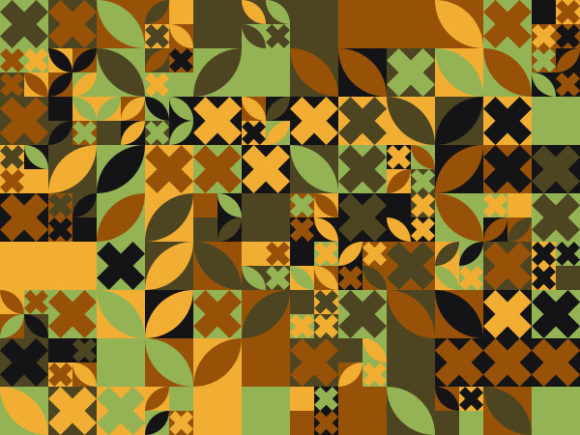
Review: Retro 80s Ethnic Pattern for Real Embroidery Work
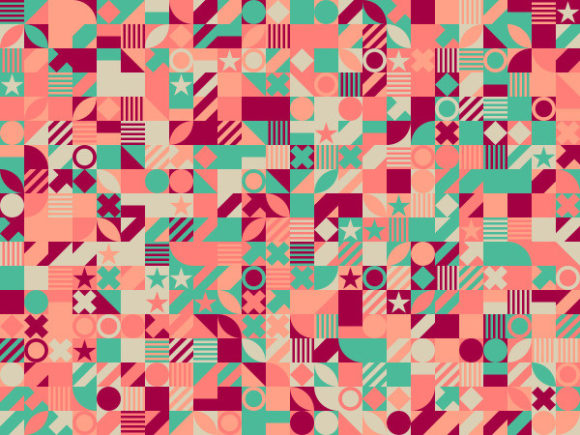
When I first opened the Retro 80s Ethnic Pattern, my immediate reaction wasn't about stitch counts or file formats. It was about the vibe. There is a specific energy in digital design that translates well to thread, but not all of it survives the needle. This particular set of graphics strikes a balance between the bold geometry of art deco and the warm, organic feel of vintage ethnic motifs. As someone who has spent years turning pixels into stitched reality for clients and my own handmade shop, I can tell you that this design has genuine potential for high-end finished products.
The description mentions that these files combine aesthetics from modernism, vintage, and contemporary graphic design. In practice, that means the layout feels structured yet free-flowing enough to work with the natural tension of embroidery thread. The shapes are distinct, which is a crucial factor when moving from a screen to a fabric surface. Unlike many trendy designs that rely on tiny details that get lost in stitching, Retro 80s Ethnic Pattern relies on strong lines and clear forms. This makes it an excellent candidate for machine embroidery design projects where clarity is king.
From Screen to Stitch: A Real-World Scenario
Let's talk about how this actually plays out on the hoop. Imagine you are prepping for a busy season at your Etsy shop or a local craft fair. You need a standout piece for a custom embroidered tote bag or perhaps a series of matching aprons for a boutique kitchen line. You pull up the Retro 80s Ethnic Pattern in your digitizing software.
Because the file is easily editable and scalable, I immediately tested its versatility. I scaled it down to fit a standard cap front panel and then expanded it to cover the back of a heavy cotton sweatshirt. The result was consistent. On the cap, the geometric elements held their shape without looking cluttered, provided the hoop size was adequate. On the sweatshirt, the pattern created a rich, textured background that felt more like a woven tapestry than a simple print.
I also considered using this for baby items, like a onesie or a soft blanket border. The "ethnic" aspect of the pattern adds a cultural warmth that appeals to parents looking for something unique rather than generic cartoon characters. However, the key here is execution. When I ran a test stitch on a scrap of light muslin, the contrast between the fill stitches and the running stitches was crisp. If you were to use this for a personalized gift, the design allows for plenty of room to add a name or date without competing visually with the main motif.
Where This Design Shines in Commercial Projects
For small business owners and Etsy sellers, the visual appeal of a product often determines the sale price. Retro 80s Ethnic Pattern elevates the perceived value of a project. It doesn't look like a cheap clip-art sticker; it looks like a curated design asset. This is particularly true for embroidered patches. The sharp edges and defined shapes translate perfectly into patch production, creating a professional finish that customers expect when they pay a premium for handmade goods.
In the realm of home decor, the possibilities are vast. Think about pillow covers or tea towels. The pattern's timeless quality means it won't feel dated next year, making it a safe investment for a small shop product line. When I mock up a printable mockup of a kitchen towel featuring this design, the interplay of colors suggests a cozy, bohemian aesthetic that fits current market trends. It works equally well as a holiday embroidery accent, perhaps on a festive table runner or a holiday stocking, adding a touch of retro flair to traditional seasonal items.
Furthermore, the scalability mentioned in the product details is a game-changer for custom apparel. Whether you are decorating a large banner for a trade show or a subtle logo on a polo shirt, the ability to resize without losing integrity ensures brand consistency across different mediums. This reliability builds trust with buyers who know that what they see in the preview is exactly what they will receive in the finished product.
Practical Limitations and Where to Be Careful
However, every designer knows that just because a design looks good on a screen doesn't mean it stitches well everywhere. There are specific scenarios where Retro 80s Ethnic Pattern requires caution. If you are working with very small hoop sizes, such as those used for cuff embroidery or delicate jewelry tags, you must be wary. While the shapes are clean, dense areas of fill stitch can sometimes create puckering if the underlying fabric is too thin or stretchy.
Textured fabrics, like chunky knits or bouclé, present another challenge. The definition of the pattern might get lost in the weave of the material. Similarly, dark fabrics require careful consideration of thread colors. Without high-quality underlay or proper color selection, the intricate details of the ethnic pattern could appear muddy. For curved surfaces like caps, the distortion of the fabric can alter the geometry of the design. It is essential to check whether the design works for both personal and commercial projects by testing on the actual garment type before committing to a full run.
If you plan to use this for products that need frequent washing, such as work aprons or children's clothing, ensure the stitch density is appropriate. Too much density on a lightweight fabric can make it stiff and uncomfortable. Conversely, too little density might lead to gaps in the pattern over time. Always inspect small details and test the design in black and white mockups to ensure the structure holds up even if the color contrast isn't perfect in the final run.
Essential Notes for the Professional Designer
Before you start stitching, there are a few practical steps that separate a hobbyist from a pro. First, always test the design on scrap fabric that matches the weight and texture of your final project. This helps you gauge the necessary stabilizer type and amount. If the design includes areas of satin stitch or fill stitch, verify that the thread colors provide sufficient contrast against the background fabric. A running stitch outline might look beautiful in theory, but on a dark fabric, it needs a contrasting thread to pop.
Confirm your hoop size limits early on. While the file is scalable, your machine's physical capabilities are not. Check the stitch density settings in your software to prevent thread breakage or fabric damage. If you are selling digital embroidery files or finished items, double-check the licensing terms. The product description notes the files are suitable for various uses, but commercial rights can vary. Ensure you have the green light to sell finished products made with Retro 80s Ethnic Pattern before listing them on your shop.
Finally, consider the overall aesthetic of your brand. Does this retro, ethnic vibe align with your customer base? If your brand is minimalist and modern, this design might feel too busy. But if your target audience loves bohemian, vintage, or eclectic styles, this design is a goldmine. It adds character and a sense of history to a handmade product that mass-produced items simply cannot replicate.
In conclusion, Retro 80s Ethnic Pattern is more than just a pretty image; it is a functional tool for creative entrepreneurs. With the right preparation, fabric choice, and attention to detail, it can transform a simple tote bag or sweatshirt into a statement piece. By respecting the technical limitations and leveraging its strong visual personality, you can create projects that stand out in a crowded market. Just remember to test, adjust, and stitch with confidence.