Retro 80s Creative Background Review
I have spent years stitching everything from delicate heirloom pieces to rugged workwear, and I know that the difference between a good embroidery project and a great one often comes down to the design itself. Recently, I decided to put Retro 80s Creative Background to the test in a real-world scenario. As someone who reviews digital assets for practical application, I didn't just look at the file; I looked at how it translates from a screen to thread on fabric.
The product is categorized under Print Templates and Graphics, but for us embroiderers, it functions as a versatile digital foundation. The description highlights that the file is an SVG, which is immediately promising because it suggests scalability. These digital papers combine art deco, modernism, vintage, and contemporary graphic design aesthetics. But does that translate well into a physical stitched object? Let's dive into my experience using this design for custom apparel and small business merchandise.
First Impressions: A Nostalgic Yet Modern Vibe
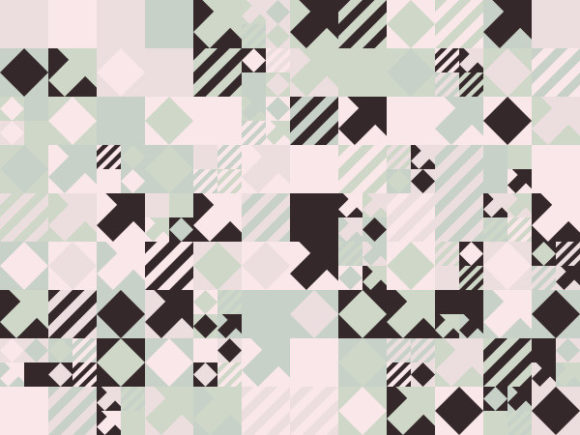
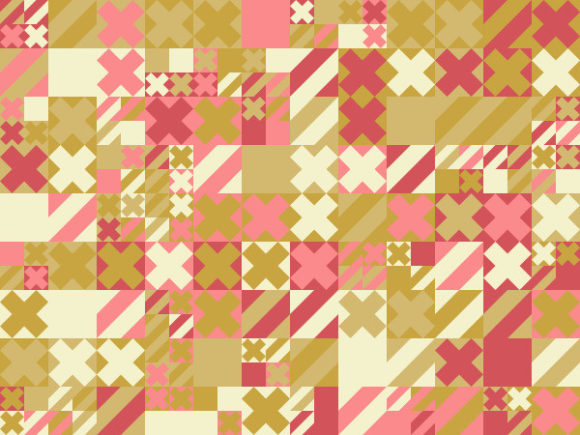
When I first opened the files for Retro 80s Creative Background, the mood was instantly established. It isn't just a simple pattern; it carries a distinct personality. The blend of geometric shapes and fluid lines creates a sense of movement that feels both retro and surprisingly fresh. For a designer looking to create something unique, this background offers a strong visual anchor without overwhelming the main subject of the embroidery.
The layout is balanced, which is crucial when converting vector graphics into stitch data. There is a clear rhythm to the elements that suggests they will hold up well under the tension of embroidery machine needles. Unlike some busy patterns that turn into a muddy mess when stitched, this design maintains its clarity. It feels like a piece that would sit perfectly on a high-end boutique tote bag or serve as a striking backdrop for a personalized baby onesie. The aesthetic is timeless enough to avoid looking dated too quickly, yet specific enough to stand out in a crowded market.
Real-World Application: From Screen to Stitch
To truly understand the utility of Retro 80s Creative Background, I simulated a project for a client who wanted a line of custom embroidered patches for their craft fair booth. The goal was to create a series of designs that felt cohesive but had individual flair. I used this background as the base layer, planning to overlay satin stitch lettering and applique elements on top.
The versatility here is impressive. Because the file is scalable, I could resize it to fit a small cap brim or expand it for a large sweatshirt back panel without losing the integrity of the lines. In a commercial setting, where you might need to adapt one design for multiple products, this flexibility is gold. Imagine using this same asset for:
- Tote Bag Designs: Creating a subtle, textured background that makes the logo pop.
- Sweatshirt Embroidery: Adding a full-back graphic that feels artistic rather than generic.
- Baby Embroidery: Using softer color palettes for nursery decor or blankets.
- Holiday Embroidery: Adapting the festive colors for seasonal gifts and aprons.
In every scenario, the design elevated the perceived value of the finished product. Customers scanning an Etsy listing are drawn to items that look professionally designed. A clean, well-executed background like this signals quality before they even read the product description.
Navigating Technical Challenges
However, not every design works everywhere, and Retro 80s Creative Background has specific considerations for the machine operator. While the vector nature of the file is excellent, the conversion to a machine embroidery format requires careful attention to detail.
If you plan to use this for embroidered patches or items with tight curves, such as caps, you must be mindful of the stitch density. Dense fill stitches can sometimes cause puckering on thin fabrics or stretchy materials like jersey knits. If your project involves a custom apparel item made of lightweight cotton or polyester blends, I strongly recommend testing the design on scrap fabric first. You want to ensure the stabilizer you choose provides enough support to keep the stitch density flat and smooth.
Another area to watch is the contrast. The design relies on negative space and line work. On dark fabric, if your thread choice doesn't offer sufficient contrast, the intricate details of the art deco and modernist elements might get lost. Conversely, on very light fabrics, ensure the lines aren't so fine that they disappear into the weave. This is especially true if you are using a running stitch for the finer details; check that the spacing is wide enough to prevent the fabric from bunching up.
Also, consider the texture of the final product. While this design looks fantastic on smooth canvas or twill, it might behave differently on heavily textured fabrics like thick wool or boucle. The needle penetration required for a complex background could distort the fabric pile, leading to an uneven finish. For these materials, a simpler design might be safer, or you may need to adjust the hooping technique significantly.
Strategic Notes for Designers and Sellers
For those of you running a craft business or selling on platforms like Etsy, the presentation matters as much as the stitching. When creating printable mockups for your listings, this background allows you to visualize the end result clearly. It helps potential buyers understand how the design will look on a finished product.
Before committing to a bulk run for a commercial embroidery project, there are a few non-negotiable steps to take:
- Check Thread Colors: Simulate different thread combinations to see how the thread colors interact with the background shapes.
- Review Hoop Size: Confirm that the design fits within your intended hoop size while maintaining the correct proportions.
- Inspect Small Details: Zoom in on the finest lines to ensure they won't break or become invisible during the stitching process.
- Test Stabilizers: Use the appropriate stabilizer for your fabric type to prevent distortion.
- Licensing Verification: Always confirm the license terms. Just because the file is editable doesn't automatically mean you have the right to sell unlimited quantities of finished goods. Check the terms regarding digital embroidery files and resale rights.
It is also wise to test the design in black and white mockups first. This removes the distraction of color and lets you judge the composition and balance of the shapes. Does the eye move naturally across the design? Is there a focal point? Retro 80s Creative Background generally passes this test well, offering a dynamic flow that guides the viewer's attention.
Final Verdict
Ultimately, Retro 80s Creative Background is a robust tool for any designer looking to add depth and character to their projects. It bridges the gap between graphic design and textile art effectively. Whether you are creating a personalized gift for a loved one or building a catalog of small shop products, this asset provides a professional foundation that elevates your work.
It is particularly well-suited for projects where brand consistency is key. The mix of vintage charm and modern precision helps establish a unique identity that customers can recognize. Just remember to respect the limitations of the medium—fabric is different from paper—and always prioritize testing over assumptions. With the right preparation, this design can transform a standard embroidered item into a standout piece that customers will love and remember.