Retro 80s Creative Wallpaper Embroidery Review
When I first opened the Retro 80s Creative Wallpaper file, my initial reaction wasn't just about the aesthetic; it was about viability. As a designer who spends hours evaluating digital assets for real-world production, I look past the pretty pixels to see how a design translates into thread. This set of Print Templates and Graphics promises a blend of art deco, modernism, and vintage vibes that feels timeless yet distinctly contemporary. But can it hold up on a stitched surface? After running some tests and visualizing this pattern on various substrates, here is my practical assessment.
The First Stitch: Visual Personality and Mood
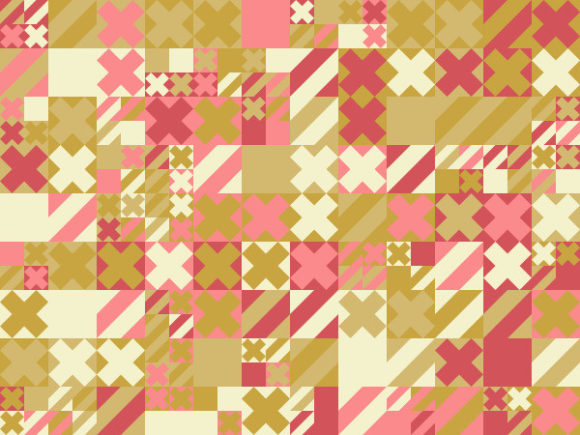
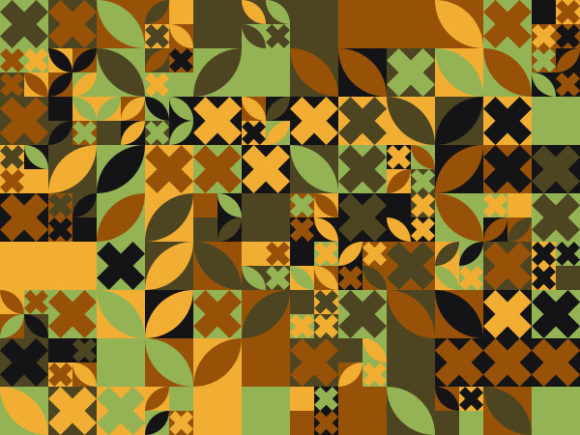
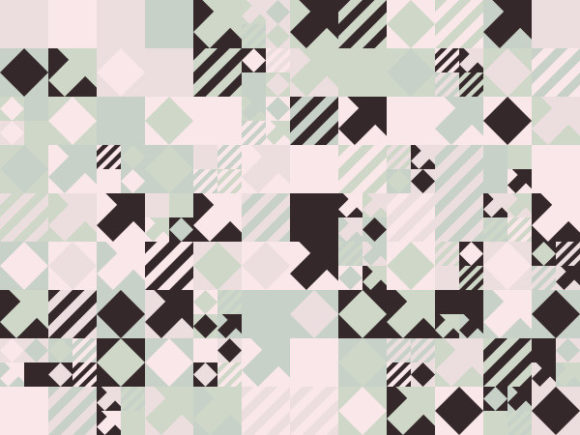
The Retro 80s Creative Wallpaper design immediately establishes a bold, confident mood. It isn't shy or subtle; it demands attention through geometric precision and a nostalgic color palette that screams "creative entrepreneur." The layout is structured enough to work as a background texture but detailed enough to stand alone as a focal point. For an embroidery project, this balance is critical. Too much detail gets lost in the fabric grain, while too little looks flat and unprofessional.
What stands out most is the scalability mentioned in the product description. Since these are SVG files, you can resize them without losing the crisp lines that define the Art Deco influence. In my experience, this is where many digital papers fail—they become muddy when scaled down for small items like baby onesies or caps. However, the vector nature of Retro 80s Creative Wallpaper suggests it will maintain its integrity whether you are working on a massive tote bag or a tiny embroidered patch.
Real-World Application: From Sketch to Finished Product
Let's talk about a specific scenario because theory only goes so far. Imagine you are an Etsy seller preparing a custom order for a client who wants a personalized apron for their new bakery. They want something unique that reflects their love for mid-century modern aesthetics. You decide to use Retro 80s Creative Wallpaper as the primary motif on the bib of the apron.
The result could be stunning. The geometric shapes would translate beautifully into satin stitch outlines, creating a clean border around the fill areas. When finished, the product wouldn't just look like a generic store-bought item; it would feel like a bespoke piece of art. The vintage graphic design elements add a layer of sophistication that elevates the perceived value of the handmade product. Customers browsing your shop would likely stop scrolling because the texture and depth of the embroidery catch the light differently than a simple print.
This same logic applies to apparel decorators looking at sweatshirts. A large-scale application of this wallpaper pattern on the back of a hoodie creates a statement piece. It works well for custom apparel because the pattern has rhythm. Unlike a chaotic splatter of colors, the structured nature of the design guides the eye across the garment. Even for holiday gifts, such as a Christmas stocking or a New Year's Eve pillow cover, this design offers a festive yet chic alternative to traditional seasonal motifs.
Where Caution is Required
While the potential is high, there are specific scenarios where Retro 80s Creative Wallpaper requires careful consideration. Not every design fits every fabric type. If you are working with stretchy fabrics like thin cotton jersey for t-shirts, you must ensure your stabilizer choice is robust. The density of the geometric fills in this design could cause puckering if the fabric isn't properly supported during the stitching process.
Small hoop sizes present another challenge. While the file is scalable, cramming intricate Art Deco details into a 4x4 inch hoop often results in a loss of definition. Tiny corners might not stitch cleanly, and fine lines could disappear into the weave of the fabric. I advise against using this design for tiny lettering or minute decorative accents on items like baby clothes unless you have verified the stitch count and density. If the design includes dense fill stitches, testing on scrap fabric is non-negotiable.
Dark fabrics also require a strategic approach. If you plan to embroider this directly onto a black cap or a dark navy sweatshirt, the thread colors need to pop. Lighter shades in the wallpaper pattern might get swallowed by the background unless you use a heavy underlay or a specific color strategy. Furthermore, products that undergo frequent washing, like kitchen towels or aprons, need to be evaluated for durability. Dense stitch areas can trap lint and dirt over time, so ensuring the design isn't overly crowded is key for long-term maintenance.
Impact on Brand Consistency and Customer Trust
In the world of craft business and Etsy selling, presentation is everything. A poorly executed design can make a brand look amateurish, regardless of the quality of the materials used. Retro 80s Creative Wallpaper, when stitched correctly, signals professionalism. The clean lines and balanced composition suggest that the maker cares about detail. This builds customer trust and encourages repeat purchases.
For boutique branding, this design asset is versatile. It can serve as a watermark on printable mockups, giving your digital previews a cohesive look before the customer even sees the physical item. When buyers see consistent design language across your social media, your website, and your actual products, they perceive your shop as reliable. The "timeless" aspect of the design means you aren't chasing fleeting trends, which adds longevity to your product line.
Practical Designer Notes for Success
Before you commit to a full production run, follow these steps to ensure your embroidery project is a success:
- Test on Scrap Fabric: Always stitch a sample on a piece of fabric similar to your final product. Check for puckering, thread breaks, and color accuracy.
- Review Stitch Density: Examine the fill stitches closely. If they are too dense, they may create a stiff hand-feel that customers dislike. Adjust the settings if necessary.
- Check Thread Contrast: Ensure the chosen thread colors provide enough contrast against the fabric. A monochromatic look can be elegant, but sometimes the design needs pop to be effective.
- Confirm Hoop Size: Verify that your machine's hoop size accommodates the design without cutting off important details. If the design is large, you may need to split it into sections.
- Inspect Small Details: Zoom in on the SVG file to check for any stray nodes or tiny gaps that might not stitch well. Clean up the path if needed.
- Stabilizer Selection: Use the appropriate stabilizer for your fabric weight. Cut-away stabilizers are generally best for woven fabrics, while tear-away might suffice for stable knits.
- Black and White Mockups: Convert your design to grayscale to see how the values interact. This helps identify areas that might look muddy in color.
- Licensing Verification: Before selling finished items, confirm the commercial license terms. Some digital papers allow personal use only, while others permit selling the final embroidered goods.
If you are an experienced designer or a small shop owner looking to expand your catalog with high-quality digital embroidery files, Retro 80s Creative Wallpaper offers a solid foundation. It bridges the gap between retro charm and modern utility. By taking the time to test and refine the execution, you can turn this graphic into a standout feature of your next collection, whether it's a limited-edition embroidered patch or a mass-produced line of holiday embroidery gifts.
The difference between a good product and a great one often lies in the preparation. Don't just download and stitch; analyze, test, and adapt. With the right approach, this design can elevate your finished product from a simple craft item to a sought-after design asset.