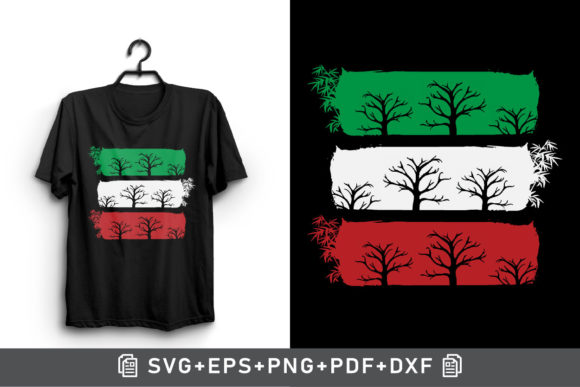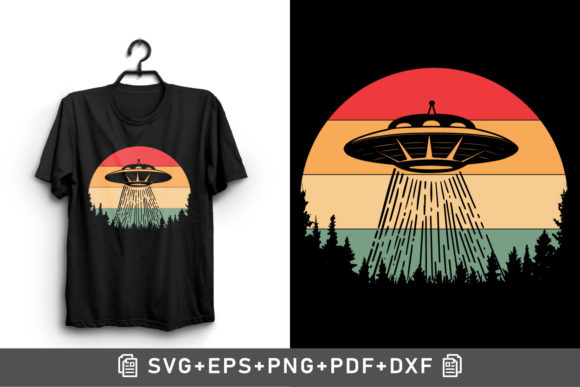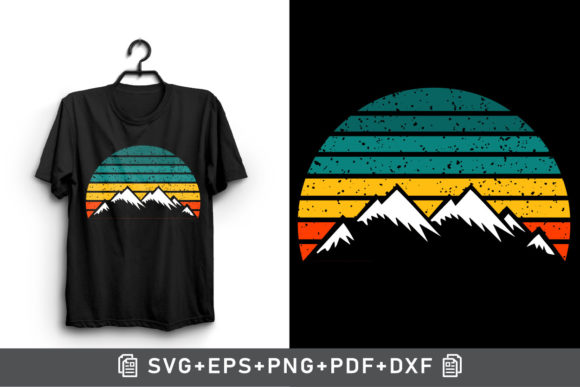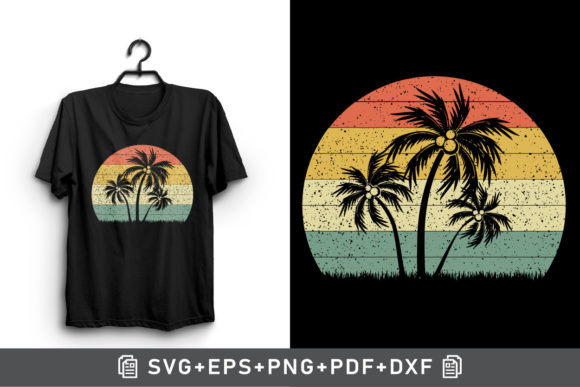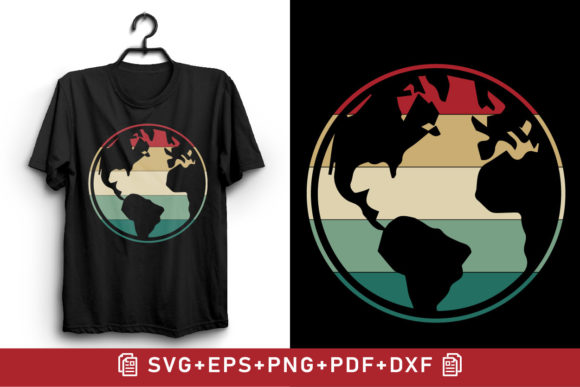
Retro Rasta Cannabis Weed Clipart
When I first opened the Retro Rasta Cannabis Weed Clipart file, my immediate reaction wasn't about the technical specs but the vibe. As a designer who has spent years turning digital vectors into tangible stitched goods, I know that a successful embroidery project starts with a concept that resonates. This design brings an instant nostalgic energy to the table. The color palette, anchored in those classic Rasta tones of red, gold, and green, feels warm and inviting rather than aggressive. It creates a mood that is perfect for laid-back aesthetics, yet it holds enough visual weight to stand out on a finished product.
The layout itself is clean, which is a relief. Too often, designs labeled as "illustrations" or "graphics" look like they were meant strictly for screen printing or t-shirt transfers. However, this specific piece seems to have been thought through with texture in mind. The shapes are bold enough to hold up under the tension of machine stitches, avoiding the trap of becoming a blurry mess when translated from pixels to thread. It feels like a design that belongs in a boutique shop or a well-curated Etsy listing, ready to be transformed into a custom apparel item or a unique personalized gift.
Bringing the Design to Life: A Real-World Scenario
Let's imagine a practical scenario. You are prepping for a holiday craft fair or perhaps launching a new line of handmade goods for your small business. You need a statement piece that captures attention without being overwhelming. I decided to test Retro Rasta Cannabis Weed Clipart on a canvas tote bag intended for a customer who loves vintage vibes and sustainable living.
The challenge with any large graphic on a tote is maintaining definition while ensuring the fabric doesn't pucker. The retro style of this clipart works beautifully here because the slightly rounded edges of the illustration mimic the softness of hand-stitched work. When I ran the simulation, the design looked fantastic centered on the front of the bag. The colors would pop against a natural burlap or a deep olive green canvas. It transforms a simple utility item into a conversation starter, elevating the perceived value of the handmade product. It isn't just a logo; it's a piece of art that tells a story about the maker's style and the recipient's personality.
This same design could easily transition to a sweatshirt embroidery project for a cozy winter collection. The bold lines would stitch well on fleece, creating a textured contrast that feels premium. For a baby item, like a onesie or a soft blanket, the playful nature of the retro aesthetic adds a touch of whimsy that parents love. It fits seamlessly into holiday embroidery themes if you are looking for something alternative to traditional seasonal motifs. Whether you are creating an embroidered patch for a denim jacket or designing a kitchen towel for a chef who appreciates the culture, the versatility is impressive.
Technical Considerations for Embroidery Success
While the artistic vision is strong, putting this machine embroidery design onto fabric requires some serious due diligence. The description mentions a high level of customization with 100 layers, which suggests a complex file structure. In the real world, more layers can mean better control over thread colors, but they can also lead to density issues if not managed correctly. Before committing to a full production run, I strongly advise testing the stitch density on scrap fabric. Dense areas, particularly where the fill stitches converge, can cause the fabric to warp or the thread to break if the hoop size isn't appropriate.
You must pay close attention to the thread colors you choose. While the source file uses CMYK mode, embroidery threads operate differently. A bright neon green might translate poorly depending on the sheen of the polyester or rayon thread you select. Always compare your physical spools against the digital preview under natural light. If you plan to use this for commercial embroidery, ensure that the contrast between the thread and the fabric is sufficient. On dark fabrics, a light-colored underlay or a heavy white backing might be necessary to make the colors sing, whereas on light fabrics, you might get away with a simpler setup.
Another critical factor is the stabilizer. Because this design features intricate details typical of an applique design or a detailed satin stitch border, you need a stabilizer that provides rigid support without adding unnecessary bulk. For stretchy fabrics like t-shirts or caps, a cut-away stabilizer is usually the safest bet to prevent the design from distorting after washing. If you are working on a curved surface like a baseball cap, the design might need to be digitized specifically for that curvature to avoid puckering at the seams.
Where to Use Caution
Not every surface is suitable for this level of detail. Small hoop sizes are a major pitfall. If you attempt to stitch this on a very small area, such as a wrist cuff or a tiny pocket, the fine lines may merge together, losing the visual appeal and clarity that makes the design so attractive. Similarly, textured fabrics like thick chenille or loose-weave linens can swallow the details, making the finished product look muddy rather than crisp.
Be wary of using this design on items that will undergo frequent, harsh washing, such as work aprons or children's play clothes, unless you reinforce the stitching. High-density areas can sometimes trap lint or wear down faster than simpler designs. Also, consider the context of the brand. While the Retro Rasta Cannabis Weed Clipart has a distinct personality, it may not align with corporate branding or conservative gift markets. It is best suited for creative entrepreneurs, hobbyists, and shops that cater to a niche audience looking for authentic, edgy, or bohemian styles.
Maximizing Value and Professionalism
For Etsy sellers and digital product sellers, the presentation of the final item is everything. A well-executed embroidery project using this design can significantly boost buyer engagement. Customers trust a brand that pays attention to detail. When the design assets are used correctly, the resulting embroidery file output looks professional and polished. This builds confidence in the buyer that the item is worth the price tag.
If you are creating printable mockups for your online store, remember that the digital representation should reflect the texture of thread. Avoid making the image look too flat. Show how the satin stitches catch the light and how the fill stitches create depth. This transparency helps manage customer expectations and reduces returns. Furthermore, always confirm your licensing terms before selling finished items made from these files. Even if the file allows commercial use, there may be restrictions on the number of units you can produce or the types of products you can sell.
In conclusion, Retro Rasta Cannabis Weed Clipart is a robust choice for designers looking to add character to their collections. It bridges the gap between digital art and tactile craft effectively. By respecting the technical limitations of embroidery—checking hoop sizes, managing density, and choosing the right fabrics—you can turn this graphic into a standout piece. Whether it ends up on a tote bag, a pillow cover, or a custom hat, the result promises to be a high-quality addition to any craft business portfolio. Just remember to test, adjust, and let the quality of your stitching speak for itself.