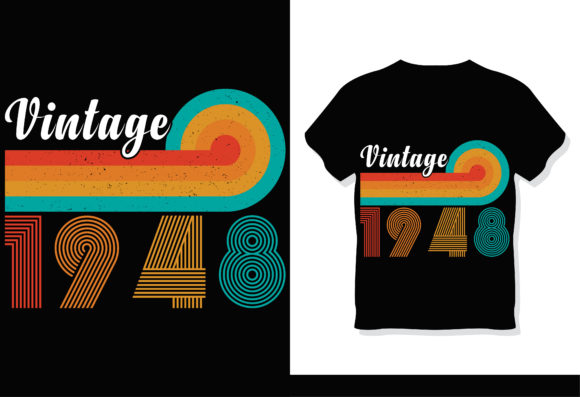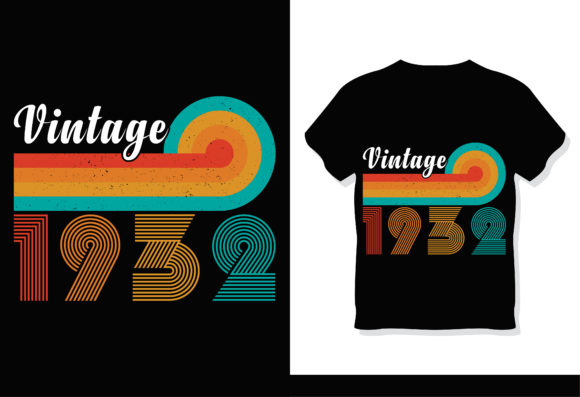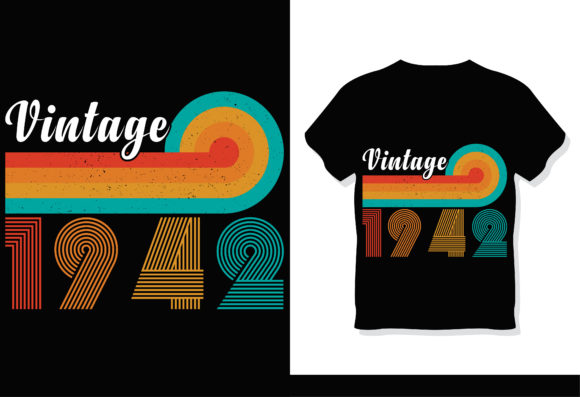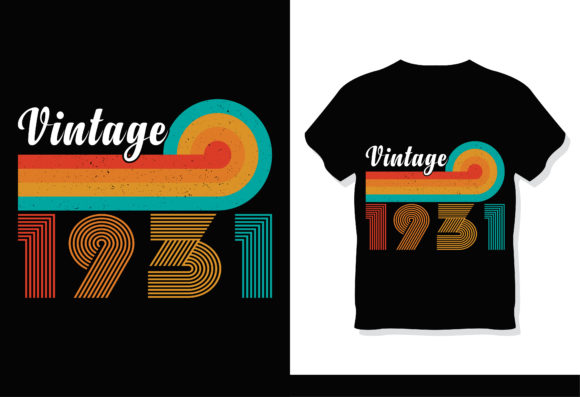
Retro Vintage 1931 T-Shirt Design Review
As a designer who spends more time with embroidery hoops than coffee mugs, I have learned that the difference between a good project and a great one often comes down to the design file itself. Today, I am putting the Retro Vintage 1931 T-Shirt Design through its paces. This isn't just about looking at a digital preview; it is about understanding how this specific piece of Graphics will translate into physical thread on fabric. When you are running a small shop or creating personalized gifts, your reputation depends on that final stitch quality.
The first impression of the Retro Vintage 1931 T-Shirt Design is undeniably nostalgic. It carries a mood that feels like a dusty attic found treasure or a classic diner sign from decades past. The layout suggests a strong central theme, likely relying on bold typography and vintage motifs common in the early 20th century. For an embroidery project, this kind of visual personality works best when the goal is to create something that feels timeless rather than trendy. It screams "handmade product" and fits perfectly into the aesthetic of boutique branding or craft fair products.
Real-World Application: From Screen to Stitch
Let's imagine a real scenario. You are preparing for a holiday gift season or restocking your Etsy listings. You need a custom embroidered tote bag design that stands out but remains versatile. The Retro Vintage 1931 T-Shirt Design jumps out as a candidate. Imagine stitching this onto a heavy canvas tote bag using deep navy or charcoal threads. The vintage vibe would pop against the natural texture of the fabric, creating a piece that looks like it has been worn for years.
This design also holds potential for sweatshirt embroidery. A soft fleece hoodie featuring the Retro Vintage 1931 T-Shirt Design could be a hit for a small business merchandise line. However, the execution matters. If the design relies heavily on fine details, a thick sweatshirt might hide the nuance. But if the lines are bold and the satin stitch areas are substantial, it will look crisp and professional. I also see this working well on baby embroidery projects, such as a onesie or a nursery pillow cover, where the retro font adds a charming, heirloom quality.
For those selling digital products, this file serves as excellent design assets. You can use it to create printable mockups that show customers exactly what their finished product will look like. Whether it is for a kitchen towel, a patch, or a cap, the versatility listed in the product description suggests it is ready for various applications. Just remember that while the file claims compatibility with mugs and stickers, the true test lies in how the stitch density handles different materials.
Where Caution Is Required
Not every design fits every surface, and the Retro Vintage 1931 T-Shirt Design is no exception. As an experienced reviewer, I must point out where this design might struggle. If you plan to use this on a curved surface like a cap or a hat, the distortion of the vintage layout could become problematic. Curved surfaces require designs specifically digitized for curvature, or the text may appear warped and unprofessional.
Small hoop sizes present another challenge. If the original design contains intricate details or tiny lettering, shrinking it to fit a mini-hoop on a baby item or a delicate apron might result in lost information. Tiny stitches can merge together, turning distinct elements into a muddy blob. Similarly, if you are working with thin or stretchy fabrics, the tension required for a dense fill stitch area could cause the fabric to pucker. In these cases, using the right stabilizer is non-negotiable to maintain the integrity of the finished product.
Dark fabrics also demand careful consideration. While the design might look vibrant on a white shirt, the contrast on black or dark grey material could be lost unless you select high-quality, reflective threads. Always test the thread colors against the fabric background before committing to a full run. If the design includes layered garments, ensure the underlying layers do not interfere with the needle path, especially if the design is dense.
Impact on Brand and Customer Trust
In the world of Etsy sellers and creative entrepreneurs, visual appeal directly translates to customer trust. A poorly executed design can make a brand look amateurish, even if the concept is brilliant. The Retro Vintage 1931 T-Shirt Design has the potential to elevate a simple item into a statement piece. When a customer receives a personalized gift with clean, precise stitching, they feel the value immediately.
This design contributes to brand consistency. If your shop specializes in vintage aesthetics, having a cohesive library of files like this ensures that every item, from a tote bag design to a holiday embroidery piece, feels part of the same family. It enhances recognition and helps buyers associate your name with quality. Furthermore, a well-executed commercial embroidery job can command higher prices because it signals professionalism and attention to detail.
Practical Designer Notes for Success
Before you download and start stitching, there are several critical steps to take. First and foremost, test the design on scrap fabric. This is the only way to truly gauge how the machine embroidery design behaves under tension. Check the stitch density to ensure it is not too tight, which can cause puckering, or too loose, which can leave gaps in the coverage.
Review the file specifications carefully. If the product description does not explicitly state the file formats, hoop sizes, or machine compatibility, you must verify these details with the seller. Using a file intended for a large commercial machine on a home hobbyist machine without adjustment can lead to frustration. Confirm whether the design is suitable for both personal and commercial projects by checking the licensing terms. This is crucial for anyone planning to sell the finished items.
Inspect small details closely. Zoom in on the digital preview to see if any corners are jagged or if lettering is too thin to stitch reliably. Run a test in black and white to check contrast levels. Compare how the design looks on light versus dark backgrounds to ensure the color palette works across your product line. Finally, always use proper stabilizer and adjust your tension settings based on the fabric texture you are using.
The Retro Vintage 1931 T-Shirt Design offers a solid foundation for a wide range of embroidery files, from applique designs to standard satin stitch work. By approaching it with a critical eye and following these practical guidelines, you can turn a simple digital graphic into a stunning, market-ready asset. Whether you are crafting a unique gift or building a robust online store, this design has the potential to shine, provided you respect the technical limitations of the medium.