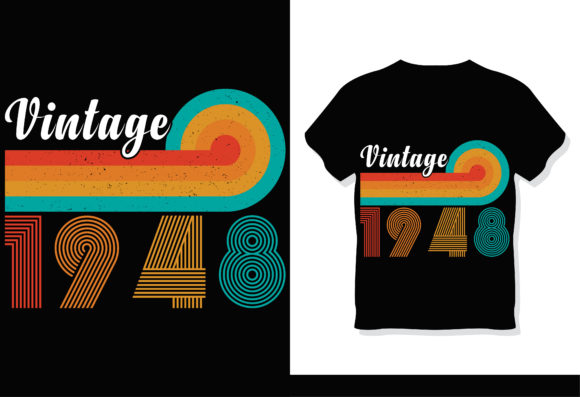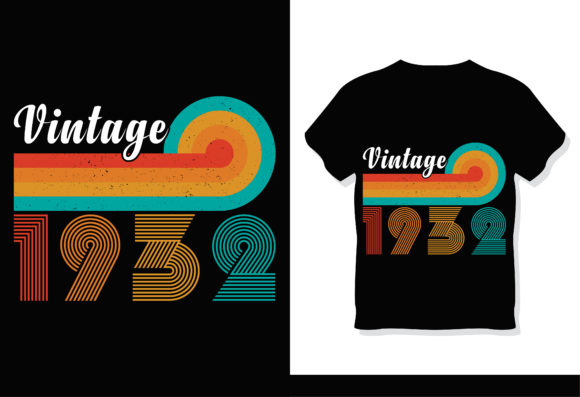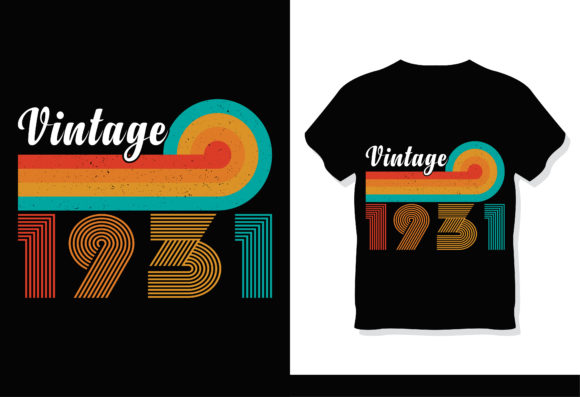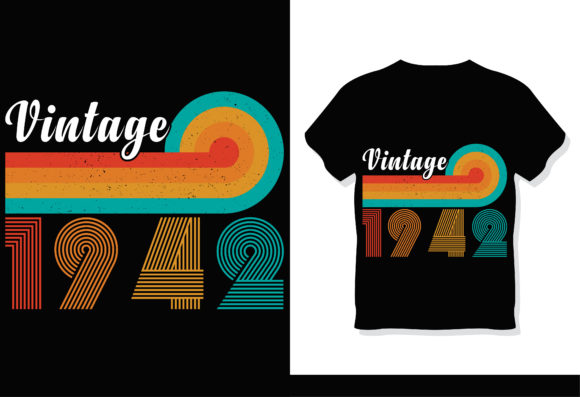
Reviewing the Retro Vintage 1942 T-Shirt Design
As someone who has spent years stitching custom apparel and reviewing digital assets for my own craft business, I approach every new embroidery file with a mix of excitement and skepticism. There is a specific charm to vintage aesthetics, but translating a graphic concept into a physical stitched reality requires more than just clicking "buy." Today, I am putting the Retro Vintage 1942 T-Shirt Design through its paces to see if it holds up as a viable asset for real-world projects, from Etsy listings to boutique merchandise.
The first impression of this design is immediate nostalgia. It captures that mid-century Americana vibe perfectly without feeling cluttered or dated in a negative way. When you look at the layout, it feels balanced and ready for translation into thread. For a designer looking to create custom apparel, the visual personality here suggests durability and timelessness. It does not scream for attention; instead, it whispers quality, which is exactly what makes a great piece of commercial embroidery.
Real-World Application: The Custom Tote Bag Scenario
To truly understand how this design performs, let's imagine a practical scenario. I recently needed a unique gift for a local artisan market. My goal was to create a limited run of embroidered tote bags for a small shop owner who specializes in handmade goods. I considered several options, but the Retro Vintage 1942 T-Shirt Design stood out because of its potential to blend seamlessly with canvas textures.
When I pulled up the digital preview, I immediately thought about how the stitches would interact with the rough weave of a heavy-duty cotton bag. This isn't just a flat image anymore; it is a tactile experience. If executed correctly, the design could serve as a premium branding element for a tote bag design. The vintage theme aligns perfectly with the eco-friendly narrative that many modern shoppers appreciate. It transforms a simple canvas bag into a statement piece that feels curated and intentional.
I also envisioned this design on a sweatshirt for a holiday collection. The retro aesthetic works beautifully on darker fabrics where the contrast can be played up with lighter threads. Whether it ends up on a baby onesie or a kitchen towel, the core strength of the Retro Vintage 1942 T-Shirt Design lies in its versatility. It bridges the gap between a simple personalized gift and a professional small shop product.
Stitch Quality and Visual Clarity
One of the most critical aspects of any machine embroidery design is how well the details hold up when converted from pixels to thread. In the case of this vintage-style graphic, the lines appear clean, which is essential for maintaining the integrity of the typography and any graphical elements within the composition. However, the devil is always in the details.
If the design relies heavily on fine lines, there is a risk of them becoming muddy on certain fabrics. I recommend checking the stitch density before committing to a large production run. High-density areas can cause puckering, especially on lightweight materials like thin t-shirts or delicate nursery decor items. Conversely, if the design uses too much open space, it might look sparse on a larger garment like a hoodie. The balance here seems promising, but it requires careful planning regarding thread colors and fabric choice.
For those using satin stitch for outlines or fill stitch for solid areas, the flow of the design should mimic the natural grain of the fabric to avoid distortion. A well-executed applique design often pairs well with these retro themes, adding depth and texture that a standard fill stitch cannot achieve alone. While the product description lists this under Print Templates and Graphics, the true value comes from how effectively it converts into an embroidery project.
Where to Exercise Caution
No single design is perfect for every surface, and the Retro Vintage 1942 T-Shirt Design is no exception. As an experienced reviewer, I must point out where this design might struggle if applied without forethought. First, consider the hoop size. If you are working with very small hoops, such as those used for caps or hat panels, intricate details may get lost or become difficult to stitch accurately.
Curved surfaces like baseball caps present another challenge. The tension required to keep the fabric stable around the curve can sometimes stretch the design, making lettering look warped. If you plan to use this for embroidered patches or cap logos, ensure your digitizer has accounted for the curvature of the target object. Similarly, textured fabrics like fleece or bouclé can hide the definition of the design, turning crisp lines into soft blobs.
Another area to watch is dark fabric. If the design features light-colored text or fine details, they might disappear against a black background unless you use a high-contrast thread palette. Always test your design assets on both light and dark backgrounds to confirm visibility. Additionally, if the design includes tiny lettering, verify that the font remains legible after stitching. Tiny details are often the first thing to break down during washing or wear.
Impact on Brand and Customer Trust
In the world of handmade products and Etsy sellers, presentation is everything. A poorly executed design can undermine the perceived value of your work, while a well-stitched one builds trust. The Retro Vintage 1942 T-Shirt Design has the potential to elevate a finished product from a generic item to a collectible piece.
Customers are increasingly drawn to designs that tell a story or evoke a specific era. By choosing this vintage motif, you are tapping into a sense of history and craftsmanship. This enhances the handmade presentation and justifies a higher price point. However, consistency is key. Ensure that the color palette matches your brand identity and that the finish looks professional. A sloppy edge or loose thread can ruin the illusion of quality, regardless of how cool the design is.
Furthermore, this design works exceptionally well for holiday embroidery or seasonal collections. Imagine a set of matching mugs, aprons, and pillows featuring this retro theme for a Christmas gift set. The cohesive look creates a strong brand presence and encourages repeat customers. It also serves as excellent material for creating printable mockups to showcase your services before the actual stitching begins.
Practical Designer Notes for Success
Before you load this file into your machine, there are several steps you must take to ensure success. First and foremost, always test the design on scrap fabric. This allows you to check the stabilizer requirements and adjust tension settings without risking your final product. You need to confirm whether the design works for both personal use and commercial projects by reviewing the license terms provided with the download.
Inspect the small details closely. Zoom in on the digital file to see if any elements are too close together or if the stitch directions conflict. Use proper stabilizer backing to prevent the fabric from shifting during the process. If you are unsure about the file formats or compatibility with your specific embroidery machine, reach out to the seller or consult your manual. Do not assume compatibility.
Finally, compare the design in black and white mockups. Sometimes color can distract from structural issues, so stripping away the color helps you focus on the shape and density. Confirm the hoop size fits your intended project dimensions. If you are producing baby embroidery items, prioritize softness and safety over complex detailing. Every decision you make impacts the final outcome.
The Retro Vintage 1942 T-Shirt Design is a strong candidate for anyone looking to add a touch of classic style to their craft business. It offers a versatile foundation for a wide range of products, from sweatshirt embroidery to decorative home goods. With careful execution and attention to detail, this design can become a staple in your portfolio, helping you deliver high-quality, memorable gifts to your customers.