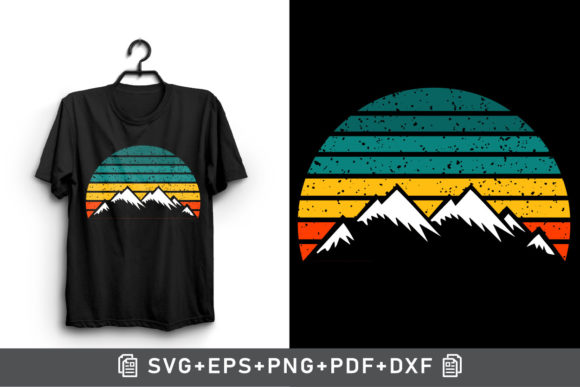
Retro Weed Vintage Embroidery Review
When I first opened the Retro Weed Vintage design file, my initial reaction wasn't just about the subject matter; it was about the texture. As a designer who spends hours troubleshooting stitch density and thread breaks, I look for that specific "distressed" quality that mimics a vintage wash rather than a digital print. This Illustrations category piece immediately stood out because it doesn't try to be too perfect. It feels like something you would find on a faded t-shirt from a 1970s head shop, which is exactly the mood needed for today's nostalgic aesthetic market.
The visual personality of Retro Weed Vintage is rugged yet approachable. The layout suggests a central focal point with enough negative space around the edges to accommodate various garment placements without feeling cramped. For a small business owner or an Etsy seller, this is crucial. You want a design that looks intentional on a tote bag but also scales down nicely for a baby onesie or a cap patch. The distressed elements add character, making the final stitched product feel like a heritage item rather than a mass-produced novelty.
From Digital File to Finished Product: A Real-World Test
Let's imagine a real scenario. I am preparing a batch of custom embroidered tote bags for a local craft fair. These aren't just plain canvas bags; they are meant to be statement pieces for the boutique section. I selected Retro Weed Vintage as the centerpiece for these totes. The goal was to create a handmade product that felt authentic and grounded, avoiding the glossy, plastic look that often plagues modern embroidery machines.
Upon importing the file into my digitizing software, the layer structure seemed robust. While the description mentions Graphics and various formats like SVG, EPS, and DXF, the true test lies in how those layers translate to stitches. When I hooped the canvas, I noticed the design has a distinct flow. The curves of the leaves guide the eye naturally, preventing the "blocky" appearance that can happen with poorly digitized illustrations. I chose a cream-colored thread for the highlights and a deep forest green for the shadows to enhance the retro vibe. The result was a piece that looked incredibly tactile, with the stitching catching the light in a way that emphasized the vintage wear-and-tear effect built into the design.
This same design could easily transition to a sweatshirt for a holiday gift collection. The distressed style works exceptionally well on heavier fabrics like fleece or heavy cotton blends. Imagine a customer receiving a cozy sweatshirt featuring Retro Weed Vintage; the texture of the fabric combined with the rough-hewn embroidery creates a sense of warmth and comfort that pure graphics simply cannot achieve. It elevates the perceived value of the item, making it feel like a curated piece of art rather than just merchandise.
Navigating Stitch Density and Fabric Choices
While Retro Weed Vintage shines on structured materials, there are places where you need to exercise caution. If you are working with thin, stretchy fabric like a lightweight jersey or a sheer material, the density of the fill stitches might cause puckering. In these cases, the design requires a very strong stabilizer, perhaps even a cut-away backing, to maintain its shape after washing.
I also found that on dark fabrics, the contrast needs careful management. The design relies on shading to create its depth. If your thread colors are too similar to the background, the "vintage" details can get lost, turning the design into a flat blob. For dark backgrounds, I recommend using a lighter underlay or selecting threads with a slight sheen to help the raised stitches pop against the fabric. Conversely, on light fabrics, the design offers excellent clarity, allowing the intricate lines of the illustration to remain sharp and defined.
Another critical factor is the hoop size. If you are attempting to embroider this on a small item like a baby hat or a small apron pocket, you must ensure the machine's hoop accommodates the full width of the design without cutting off the outer details. The design includes some fine lines in the corners that could be difficult to stitch cleanly if the tension isn't perfectly calibrated. Always run a test on scrap fabric first to check the thread color contrast and inspect the small details before committing to the final product.
Strategic Use Cases for Craft Businesses
For the creative entrepreneur looking to expand their inventory, Retro Weed Vintage opens doors across multiple categories. It fits seamlessly into commercial embroidery projects for apparel decorators who specialize in streetwear or casual fashion. The design's versatility allows it to be used on custom apparel like hoodies, jackets, and denim vests, giving them an instant edge.
- Home Decor: Transforming kitchen towels or pillow covers with this design adds a playful, eclectic touch to any home. The distressed look pairs beautifully with rustic or farmhouse aesthetics.
- Accessories: Creating an embroidered patch version of the design is a fantastic way to sell standalone items. Customers love adding patches to backpacks or jean jackets, and this design has the right level of detail to hold up well when appliqued.
- Personalized Gifts: Whether it is a wedding gift, a baby shower present, or a holiday surprise, the unique nature of Retro Weed Vintage makes it memorable. It moves beyond generic slogans and offers a genuine artistic statement.
However, not every surface is suitable. Curved surfaces like caps require precise digitizing to ensure the design lays flat. If the original file does not account for the curvature of the hat, the top of the design might lift or the sides might bunch. Similarly, products that will undergo frequent washing, such as work aprons or children's clothing, should be tested for durability. Satin stitches and fill stitches can sometimes snag on rough textures, so using a high-quality thread and ensuring proper tension is non-negotiable.
Professional Insights for the Designer
Before you start selling finished items or offering this as a digital embroidery file, there are practical steps you must take. First, verify the licensing terms. Even though the product includes multiple file formats, you need to confirm whether you have the right to sell physical goods made from this design or if there are restrictions on commercial use.
Review the stitch density settings in your machine. High-density areas can lead to thread breaks, especially if you are using standard polyester thread. If the design calls for a lot of fill stitch, consider reducing the density slightly to prevent the fabric from becoming too stiff, particularly for wearable items like sweatshirt embroidery.
It is also wise to test the design in black and white mockups. Sometimes, color interactions in the digital preview don't translate perfectly to thread. A color that looks vibrant on screen might appear muddy in person due to the texture of the yarn. By comparing light and dark fabric backgrounds, you can determine the best thread palette to maximize the visual appeal of Retro Weed Vintage.
Finally, think about the brand consistency. If you are building a shop focused on high-quality, artisanal goods, this design supports that narrative. It signals to your customers that you care about the details, from the choice of the design assets to the precision of the stitch density. It builds trust and engagement, showing that you understand the nuances of machine embroidery design.
In conclusion, Retro Weed Vintage is more than just a graphic; it is a versatile tool for any maker serious about their craft. With the right preparation and attention to fabric selection, it can elevate your handmade product line, creating items that resonate with customers on a deeper level. Whether you are a hobbyist making gifts or a seasoned Etsy seller scaling your business, this design offers the professional finish and unique character needed to stand out in a crowded market.