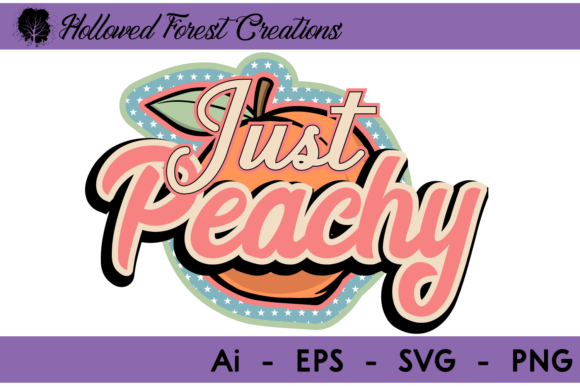
Just Peachy Retro: A Designer's Real-World Embroidery Review
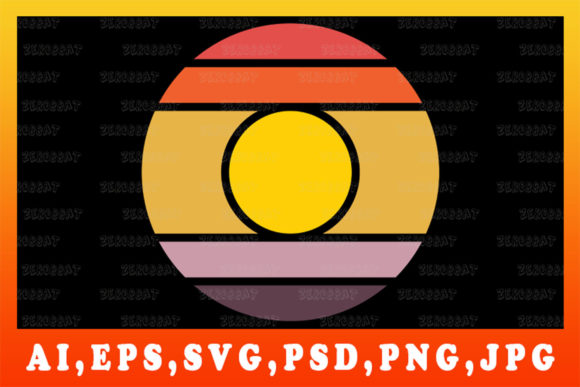
When I first opened the Just Peachy Retro design file, my initial reaction wasn't about the technical specs or the file formats included. It was about the vibe. There is a specific energy to retro illustrations that can either make a product feel nostalgic and authentic or cheap and dated. This design lands firmly in the former category. The curves are soft, the color palette (even in its digital preview) suggests a warm, inviting aesthetic, and the composition feels balanced enough for serious stitching but playful enough for a craft fair display.
As an experienced designer who has reviewed countless embroidery files for everything from boutique branding to personalized gifts, I know that "pretty" on a screen does not always translate to "beautiful" under the needle. That is why I am evaluating this piece based on how it would perform in actual production scenarios. Whether you are an Etsy seller looking to expand your catalog or a hobbyist making a gift for a friend, understanding the practical application of Just Peachy Retro is crucial before you hit the start button on your machine.
The First Stitch: Visual Personality and Mood
The Just Peachy Retro illustration brings a distinct personality to any project. It screams "vintage summer," "cozy kitchen," or "retro boutique." The layout is designed to be versatile, allowing it to sit comfortably on a variety of surfaces without feeling cramped. For a commercial embroidery project, this visual appeal is vital because it immediately elevates the perceived value of the finished product. Customers often judge handmade items by their attention to detail and style consistency.
This design works exceptionally well as a focal point. Unlike dense, cluttered graphics that get lost in the texture of heavy fabric, this illustration relies on clean lines and open spaces. This means that when stitched, the design will maintain its clarity. It creates a sense of professionalism that is hard to achieve with generic clip art. If you are building a brand identity for a small shop, using a design with this level of character helps establish a cohesive look across your merchandise.
Real-Life Application: From Tote Bags to Nursery Decor
To truly understand the utility of this design, let's imagine a real-world scenario. You are preparing a custom embroidered tote bag for a local artisan market. You want something that stands out but fits the current trend of retro-inspired goods. You pull up Just Peachy Retro. Because the file includes SVG, EPS, AI, and PNG formats, you have the flexibility to adjust the scale instantly. You decide to stitch it onto a natural canvas tote.
The result is striking. The contrast between the thread colors and the raw fabric texture makes the design pop. It looks like a high-end boutique item rather than a mass-produced souvenir. But the versatility doesn't stop there. Imagine taking that same design and scaling it down for a baby onesie. The rounded shapes and gentle theme make it perfect for nursery decor or baby gifts. It transforms a simple garment into a cherished keepsake.
I also envision this design on a sweatshirt for a holiday gift. The retro aesthetic pairs beautifully with cozy fabrics like fleece or heavy cotton blends. When stitched onto a cap or a patch, the design retains its integrity, provided the hoop size is appropriate. For a tea towel in a kitchen setting, the design adds a touch of whimsy that customers love. It is the kind of graphic that turns a functional item into a decorative one, increasing the likelihood of a sale at a craft fair or online store.
Where Caution is Required: Fabric and Hoop Constraints
While Just Peachy Retro is a strong candidate for many projects, no design is universal. As a designer, I must warn against placing this on every surface imaginable. Small hoop sizes can be tricky if the design contains intricate details that need room to breathe. If you attempt to shrink this too much for a tiny patch or a child's sock, you risk losing the definition of the retro elements.
Fabric choice is equally critical. Textured fabrics like terry cloth or thick boucle can obscure the fine lines of the illustration. Similarly, thin or stretchy fabrics require careful stabilizer selection to prevent puckering, which can distort the shape of the peach or the surrounding text. Dark fabrics present another challenge; while the design allows for color changes, ensuring high contrast is essential. If the background is dark, you need light threads, and vice versa, to maintain visibility.
Curved surfaces like baseball caps require precise digitizing knowledge. If the design isn't adjusted for the curvature of the hat, the top of the image might look stretched or compressed once stitched. Additionally, products that undergo frequent washing, such as aprons or work shirts, demand a review of the stitch density. If the fill stitches are too tight, they can cause the fabric to warp over time. Always test these variables before committing to a full production run.
Technical Notes for the Savvy Designer
Before you begin your next embroidery project, there are several practical steps to ensure success. First, always test the design on scrap fabric. This allows you to check the thread color contrast and see how the satin stitch behaves on your specific material. Review the stitch density within the software; if the design is too dense, it may be difficult for the machine to penetrate the fabric cleanly.
Confirm your hoop size matches the design dimensions. Using a stabilizer that is too light for the fabric weight can lead to registration issues where the design shifts during stitching. Inspect small details closely; sometimes, what looks good on a monitor can become a tangled mess of thread on fabric. It is also wise to test the design in black and white mockups to ensure the composition holds up without relying solely on color.
If you plan to use this for commercial embroidery or sell finished products, double-check the licensing terms. While the file types (SVG, EPS, AI, PNG) suggest easy editing, the rights to sell the final output vary by creator. Ensure you have the proper permissions for digital embroidery files intended for resale. Also, consider the end-use: is this suitable for a custom apparel line, or is it better suited for personalized gifts? Knowing your audience helps you select the right thread colors and fabric combinations.
Final Thoughts on Value and Presentation
In the world of handmade products, presentation is everything. A well-executed Just Peachy Retro design signals quality and care. It builds customer trust because it shows that the maker put thought into the aesthetic. For an Etsy seller or small business owner, this design asset can be a game-changer. It offers a professional look that competes with larger brands while maintaining the charm of a handmade product.
The ability to change colors easily means you can create variations for different seasons or holidays without needing new files. Use it for a summer collection with bright threads, or switch to muted tones for a fall line. This flexibility maximizes the return on investment for your design purchase. Ultimately, Just Peachy Retro is more than just a graphic; it is a tool for creating memorable, high-value items that customers will want to keep and cherish.
Whether you are designing an embroidered patch, a tote bag design, or a sweatshirt embroidery for a client, this illustration provides a solid foundation. Just remember to respect the limitations of the medium, choose your materials wisely, and always prioritize the finish. With the right approach, this design can elevate your craft business to the next level.