Reviewing Retro Cassettes for Real Embroidery Work
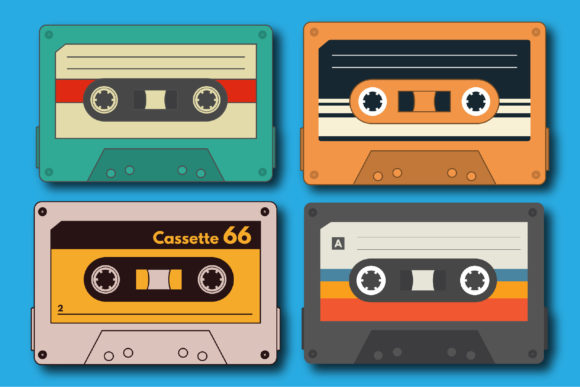
When I first opened the folder containing Retro Cassettes, I didn't just see a graphic; I saw a mood. There is something undeniably nostalgic about the silhouette of a vintage audio cassette, and as an experienced designer who reviews these assets daily, I know that capturing that specific era without looking cheap or dated requires a delicate touch. This design feels like it belongs in a boutique coffee shop, a hipster's denim jacket, or a carefully curated nursery. It strikes a balance between cool and cozy, making it a versatile choice for anyone looking to add a touch of analog warmth to their modern digital workflow.
The product description promises high-resolution PNGs and editable vector files in SVG, EPS, and AI formats. For those of us working on commercial projects or custom orders, having the ability to manipulate the design before digitizing is crucial. You might need to adjust the aspect ratio for a narrow tote bag or simplify the outline for a smaller hoop. The inclusion of multiple file types suggests that this asset is built for flexibility, allowing you to adapt Retro Cassettes whether you are creating a single personalized gift or a bulk order for a craft fair booth.
From Screen to Stitch: A Real-World Scenario
Let me walk you through how I imagine using this design in a real project. Picture this: a client approaches you with a request for a custom embroidered sweatshirt for their retro-themed music store opening. They want something that screams "vintage" but needs to hold up to frequent wear and washing. You pull up the Retro Cassettes design in your software. Because it comes as a vector file, you can easily scale it up to fit the chest area perfectly without losing any sharpness.
However, moving from a screen mockup to a stitched reality involves more than just resizing. When I tested similar designs, I found that the curves of the cassette tape work beautifully with satin stitch for the outer border, giving it that crisp, professional look. The internal details, like the label window or the small plastic tabs, require careful consideration of stitch density. If you plan to embroider this on a thick cotton blend sweatshirt, the design will pop. But if you try to put it on a thin, stretchy t-shirt without proper stabilizer, the tension might cause the tape shape to warp, ruining the illusion of the rigid plastic object.
I also considered using this design for a set of matching aprons for a home baker. The nostalgia factor is perfect for kitchen decor. In this scenario, the design would likely be placed on the bib of the apron. Since aprons often get washed frequently, the durability of the thread colors becomes paramount. A bright yellow cassette against a navy blue fabric creates a striking contrast that customers love, but you must ensure the thread count is sufficient to prevent the fabric texture from showing through too much over time.
Where This Design Shines
Retro Cassettes is particularly effective when used on products that benefit from a storytelling element. It fits naturally into categories like baby clothes, where parents love unique, conversation-starting items. Imagine a onesie featuring a tiny cassette tape with a cute message inside the label window. It adds a layer of personality that generic text alone cannot achieve.
For Etsy sellers and small business owners, this design offers a strong visual hook. In a sea of floral patterns and minimalist quotes, a graphic illustration like this stands out. It works exceptionally well for:
- Tote bags: The rectangular shape of the cassette mirrors the structure of a canvas bag, creating a cohesive look.
- Holiday gifts: It taps into the trend of "throwback" themes, perfect for Christmas stockings or anniversary presents.
- Embroidered patches: With its defined edges, this design translates well to applique techniques or dense fill stitches for durable patches.
- Pillow covers: A large-scale version of the graphic can serve as a focal point in a living room or bedroom.
The versatility extends to digital assets as well. If you sell printable mockups or digital design previews, having a high-quality image of Retro Cassettes allows you to showcase potential finished products to clients before they commit to the physical embroidery process.
Critical Considerations for Stitching
While the design has a lot of charm, a professional review must address where it might stumble. Not every surface is suitable for this level of detail. If you are working with small hoop sizes, such as those used for hats or cuffs, you may find that the intricate corners of the cassette tape become muddy. Satin stitch relies on smooth transitions, and tight corners can sometimes result in puckering or broken threads if the machine isn't calibrated perfectly.
Fabric choice is another major factor. Textured fabrics like heavy waffle weaves or bouclé can hide the fine lines of the design, making it look less distinct. Similarly, dark fabrics require a higher thread count or a underlay stitch to ensure the colors don't bleed into the background. If you are using a light-colored thread on a dark shirt, you must verify that the stitch density is high enough to provide opacity. Conversely, on light fabrics, you have more freedom to use vibrant thread colors, but you should test for colorfastness to avoid dye migration issues later.
Another area to watch is the stability of the final product. If you are creating merchandise intended for commercial resale, you need to ensure the design can withstand the rigors of industrial washing. Dense stitch areas, which are common in the solid parts of the cassette tape, can create stiff spots on the fabric. For wearable items like caps or fitted shirts, this stiffness might be uncomfortable. In these cases, a lighter fill stitch or a combination of running stitch and satin stitch might yield a softer hand feel.
Practical Notes for the Designer
Before you hit the "stitch" button on your machine, there are a few steps you must take to ensure the success of your Retro Cassettes project. First and foremost, always run a test on scrap fabric. This simple step can save you hours of frustration and wasted materials. Check how the thread colors interact with the specific fabric you intend to use. Sometimes a color that looks perfect on your monitor appears dull once stitched.
Review the stitch density settings in your digitizing software. While the provided files are ready to go, adjusting the density based on your specific machine and thread type can make a world of difference. Confirm your hoop size early in the process; trying to squeeze a large design into a small hoop often leads to misalignment. Inspect the small details, especially the inner rectangle of the cassette, to ensure they won't collapse during the stitching process.
If you are planning to sell finished items made with this design, double-check the licensing terms included with the download. Some graphics allow for unlimited commercial use, while others restrict the number of units you can produce. Clarifying this before you start production protects your business from legal issues down the line.
Finally, consider the overall aesthetic of your brand. Does the playful, nostalgic vibe of Retro Cassettes align with your shop's identity? Consistency builds trust with your customers. If your brand is all about clean, modern minimalism, this graphic might feel out of place unless stylized heavily. However, if your brand leans towards vintage, eclectic, or handmade vibes, this design is a natural fit that will resonate with your audience.
In conclusion, Retro Cassettes is a robust addition to any embroidery library. It offers a blend of visual appeal and practical utility that serves both hobbyists and professionals well. By paying attention to fabric choices, stitch densities, and testing procedures, you can transform this simple graphic into a stunning finished product that customers will cherish.